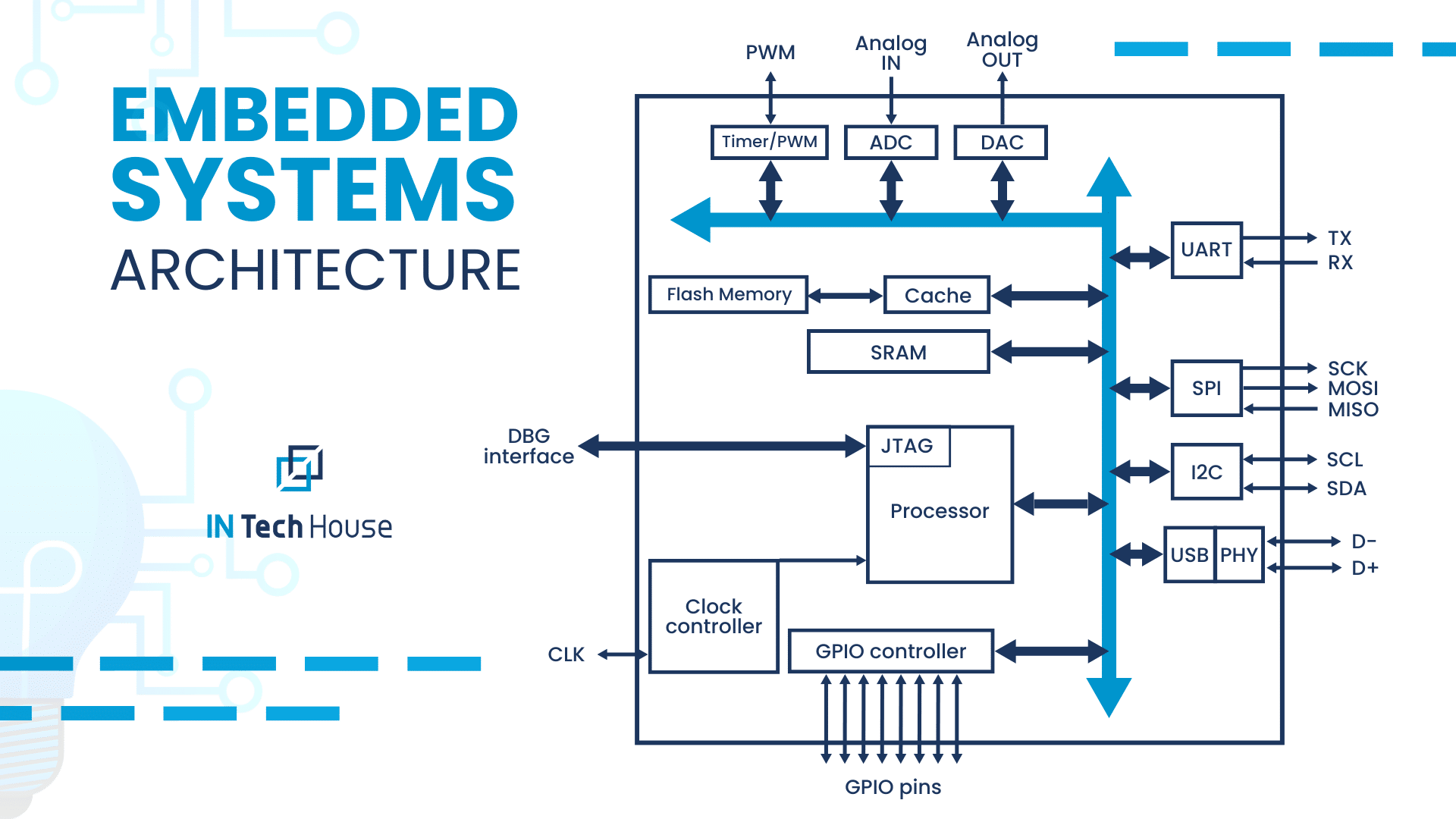
Gain practical knowledge of embedded systems design including microcontrollers, sensors, and real-time programming. The course covers hardware interfacing, firmware development, and system integration used in consumer electronics, automotive systems, and smart devices.
The Embedded Systems Design course provides a comprehensive understanding of the design, development, and implementation of embedded systems used in modern electronic devices. Embedded systems are specialized computing systems that perform dedicated functions within larger systems and are widely used in consumer electronics, automotive systems, industrial automation, healthcare devices, and IoT applications.
This course introduces the core principles of embedded hardware and software design, microcontroller architecture, programming techniques, sensor interfacing, communication protocols, and real-time operating systems. Participants will gain hands-on experience in designing embedded solutions using modern development tools and microcontroller platforms.
By the end of the course, learners will be able to design, develop, and test embedded systems for real-world applications.
This module introduces the core concepts and architecture of embedded systems.
Topics Covered
This module focuses on the hardware components used in embedded system design.
Topics Covered
This module covers programming techniques required to develop embedded applications.
Topics Covered
This module teaches how embedded systems interact with sensors and external devices.
Topics Covered
This module explains communication technologies used in embedded systems.
Topics Covered
This module introduces real-time computing concepts used in embedded systems.
Topics Covered
This module allows learners to apply course concepts through practical projects.
Topics Covered
After completing this course, participants will be able to:
Everything you need to know about this course
An embedded system is a specialized computing system designed to perform specific functions within a larger system, such as in automobiles, medical devices, and consumer electronics.
Basic programming knowledge is helpful but not mandatory. The course covers Embedded C programming from the fundamentals.
Participants will learn how to program microcontrollers, interface hardware devices, implement communication protocols, and build working embedded system applications.
Embedded systems are widely used in industries such as automotive, consumer electronics, industrial automation, healthcare technology, robotics, and IoT development.
Yes. The course includes practical exercises and a final embedded system project to apply the concepts learned.
Participants will work with microcontroller development boards, sensor modules, and embedded programming environments.
The course typically takes 8 weeks to complete depending on the training schedule.
Yes. Participants who complete the training and assessments will receive an Embedded Systems Design Certification.
What our students say about this course