Businesses in 2026, from digital marketing agencies in Gurugram to e-commerce ventures selling flowers in the UAE, increasingly turn to Azure for scalable infrastructure that supports SEO analytics, AI-driven campaigns, and secure data processing without the burdens of on-premises hardware. A well-crafted Azure cloud migration strategy aligns IT capabilities with business goals like cost reduction, agility, and innovation, using Microsoft's Cloud Adoption Framework to navigate complexities while minimizing downtime, often decommissioning 10-20% of redundant workloads upfront for immediate savings. For cloud engineers at firms like Public is Media Group, this approach transforms legacy systems into hybrid or fully cloud-native setups, ensuring compliance and high availability amid rising demands for real-time content personalization.
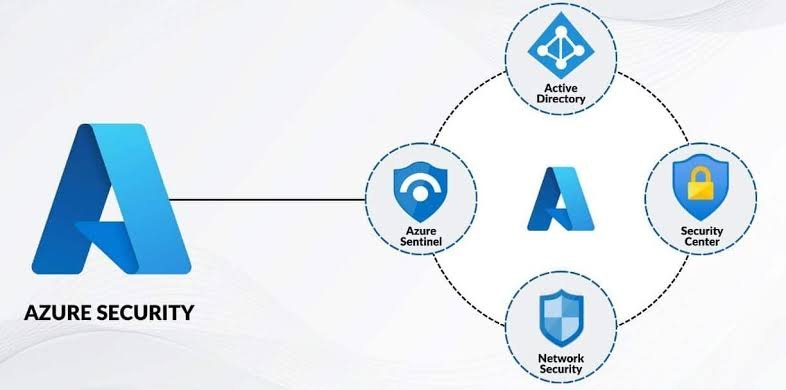
Azure identity and access management is a humanized guide walks through proven phases, strategies, and tools, drawing real-world parallels to your workflows in cloud security audits or social media management, empowering smooth migrations that deliver 25-40% cost efficiencies and faster market responsiveness.
Phase 1: Assessment and Discovery for Informed Decisions
Every successful Azure migration begins with a thorough assessment using Azure Migrate, a free hub that discovers on-premises servers, databases, VMs, and apps via lightweight agents or agentless scans, inventorying dependencies and generating wave plans. This phase uncovers technical debt, compatibility gaps, and cost projections via the Azure Total Cost of Ownership (TCO) Calculator, revealing opportunities to retire low-value workloads before lift-off. Businesses often find 20% of infrastructure obsolete, freeing budgets for innovation like AI model training for marketing predictions. Prioritize workloads by business impact: start with stable, high-ROI apps for quick wins, factoring in skills gaps and regulatory needs for sectors handling customer data in India or UAE markets.
Engage stakeholders early, IT, finance and security, to define KPIs like 99.9% uptime or 30% infrastructure reduction, using Azure Advisor for readiness scores that guide pilot migrations. This foundation prevents common pitfalls like underestimating data transfer costs, mirroring how you analyze SEO performance before campaigns.
Phase 2: Crafting Your Migration Strategy with the 6 R's
Azure supports flexible strategies tailored to workload maturity: Rehost (lift-and-shift) via Azure Site Recovery for minimal disruption on compatible VMs, ideal for stable databases powering analytics dashboards. Replatform tweaks lightly for PaaS benefits, like moving SQL Server to Azure SQL Managed Instance to offload patching while retaining code-perfect for e-commerce backends needing quick scalability during sales peaks. Refactor optimizes code with Azure SDKs for Functions or App Services, reducing maintenance in content management systems.
For transformative leaps, Rearchitect decomposes monoliths into microservices on AKS, Rebuild starts greenfield with serverless, or Replace swaps legacy with SaaS like Dynamics 365, slashing dev efforts by 30%. Retain handles regulated workloads via Azure Arc for hybrid control. Select per workload: rehost 70% initially, refactor customer-facing apps later, validating with POCs to balance speed and modernization.
Phase 3: Execution with Azure-Native Tools for Zero-Downtime
Leverage Azure Database Migration Service for heterogeneous DB transfers with continuous sync, Azure Data Box for offline petabyte-scale data shipments, and Database Experimentation Assistant for performance benchmarking. For apps, Application Migration Service test-migrates to VMs, while Blueprints ensure consistent governance across subscriptions. Execute in Wavespilot non-critical tiers first, using Azure DevOps for CI/CD pipelines that automate testing, rollback, and cutover, minimizing outages to minutes for global operations spanning Rāmpur to Dubai.
Security integrates natively: Azure Policy enforces encryption during transit, Entra ID provisions identities, and Defender for Cloud scans for vulnerabilities pre-migration, aligning with zero-trust for your cloud-secured marketing stacks.
Phase 4: Testing, Optimization, and Governance Post-Migration
Rigorous testing in staging mirrors production: load tests with Azure Load Testing validate scalability, chaos engineering via Azure Chaos Studio builds resilience. Optimize immediately with Azure Cost Management for rightsizing (often 20-30% savings), Advisor for reservations, and Monitor for performance baselines. Rightsizing VMs alone recovers funds for SEO tools or Instagram automation. Implement FinOps practices: tag resources for accountability, set budgets with alerts, and govern via management groups for multi-tenant enterprises.
Phased cutover with rollback plans ensures business continuity, followed by training on the Azure Portal for teams transitioning from on-prem mindsets.
Best Practices Tailored for Modern Businesses
Adopt a hybrid-first mindset with Azure Arc for consistent management, prioritize data sovereignty with region selection, and partner with Microsoft for Well-Architected Reviews. Start small: migrate a dev environment in weeks, scale to production over 6-18 months. For Indian firms, leverage local data centers for latency, blending with global redundancy for 24/7 e-commerce uptime. Track success via metrics like deployment frequency up 50% or MTTR down 40%, fueling innovation in content creation or security auditing.
Business Impact and Launching Your Journey
A strategic Azure migration yields predictable costs, 2x scalability, and agility for AI integrations, propelling roles in cloud engineering with premium opportunities. Claim $200 free credits, run Azure Migrate discovery today, and pilot one workload. Your path to cloud mastery begins with that first assessed server, transforming operations sustainably.