Cloud engineers tackling security in Azure face a landscape where threats evolve daily. Still, Microsoft's built-in features provide layered defenses that integrate seamlessly with your workflows in digital marketing, SEO analytics, or e-commerce platforms. These tools emphasize Zero Trust principles, automating protection across identities, networks, data, and applications to prevent breaches before they impact operations like real-time campaign monitoring or secure flower sales data in the UAE. In 2026, with cyber incidents costing enterprises millions, mastering Azure security not only complies with regulations like GDPR but also empowers proactive defense in hybrid setups at companies like Publicis Media Group.
This detailed, humanized walkthrough breaks down key features and tools, focusing on practical explanations and integrations that align with cloud security auditing or content management needs, helping you build resilient infrastructures without overwhelming complexity.
Identity and Access Management: The Zero Trust Gatekeeper
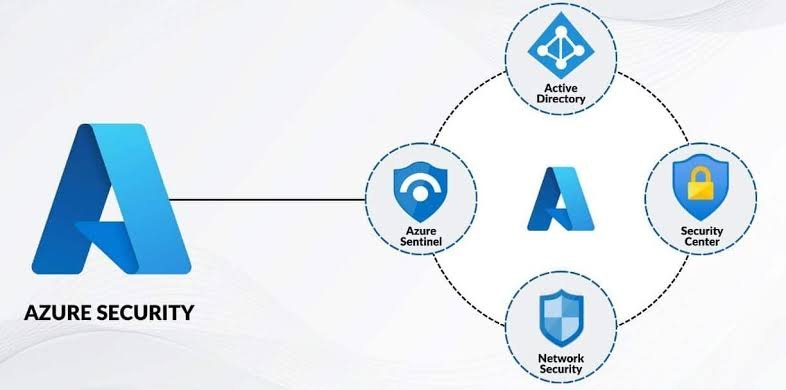
Azure's identity security starts with Microsoft Entra ID (formerly Azure AD), enforcing conditional access policies that evaluate user risk, device health, location, and behavior before granting entry, crucial for remote teams in Rāmpur accessing sensitive SEO data. Risk-based sign-in rules trigger multi-factor authentication or blocks on anomalous logins. At the same time, Privileged Identity Management (PIM) limits standing admin roles to just-in-time elevation, reducing insider threats in fast-paced marketing environments. Role-Based Access Control (RBAC) assigns granular permissions, ensuring engineers only access necessary resources like VM groups for analytics without exposing broader networks.
Integration with Azure AD Connect syncs on-premises directories for hybrid identity. At the same time, Identity Protection uses machine learning to detect leaked credentials or impossible travel logins, auto-remediating with password resets. For cloud engineers, this foundation prevents 99% of account compromises, blending effortlessly with PowerShell scripting for automated audits mirroring your Excel-based performance tracking.
Threat Detection and Response: Intelligent Monitoring at Scale
Microsoft Defender for Cloud delivers unified security posture management across Azure, hybrid, and multicloud, scanning for misconfigurations, vulnerabilities, and runtime threats with AI-driven recommendations. It correlates signals from endpoints, workloads, and identities into actionable insights, prioritizing high-risk issues like unpatched Kubernetes clusters hosting AI models for social media personalization. Microsoft Sentinel, the cloud-native SIEM, ingests petabytes of logs for behavioral analytics, hunting threats via KQL queries and playbooks that auto-isolate compromised VMs during security incidents.
Defender XDR extends this to cross-domain coverage, analyzing billions of daily events for stealthy attacks on email, SaaS, or cloud infra, perfect for detecting phishing targeting marketing campaigns. Cloud engineers appreciate one-click workflows for investigations, integrating with Azure Monitor for custom alerts on cost anomalies or traffic spikes indicative of DDoS attempts.
Network Security: Fortifying the Perimeter
Azure Firewall provides Layer 7 filtering with threat intelligence from Microsoft's global network, inspecting TLS traffic and applying FQDN tags for secure outbound access without manual IP allowlisting. Network Security Groups (NSGs) act as virtual firewalls on subnets or NICs, allowing stateful packet filtering to segment traffic, vital for isolating databases holding customer data from public-facing web apps in e-commerce setups. DDoS Protection Standard mitigates volumetric attacks adaptively, absorbing up to 100 Tbps while monitoring always-on basic tiers for free.
Private Link and VNet service endpoints keep traffic within Azure's backbone, preventing public internet exposure for services like storage accounts used in content backups. For high-stakes environments, Azure Front Door with WAF rules blocks SQL injection or XSS, ensuring smooth delivery of SEO-optimized pages globally.
Data Protection and Encryption: Safeguarding Secrets
Azure Key Vault centralizes management of certificates, keys, and secrets with hardware security modules (HSMs) meeting FIPS 140-3 standards, enabling bring-your-own-key (BYOK) for compliance-heavy workloads like encrypted customer analytics. Customer-managed keys via Azure Disk Encryption protect VM data at rest using BitLocker or DM-Crypt, while transparent data encryption secures SQL databases automatically. Confidential Computing enclaves like Azure DCsv2 VMs process sensitive data in hardware-isolated environments, ideal for ML training on proprietary datasets without exposure.
Microsoft Purview classifies and governs data across Azure, applying sensitivity labels to automate protection in Synapse or Blob Storage, helping engineers track and remediate overexposed assets in line with zero-trust policies.
Compliance, Governance, and Advanced Tools
Azure Policy enforces organizational standards at scale, auditing and auto-remediating non-compliant resources like public blobs, while Blueprints deploy pre-hardened templates for consistent environments. Microsoft Defender for DevOps scans IaC in GitHub, catching vulnerabilities early in your ARM templates for cloud deployments. Integrated HSMs in every Azure server bolster default encryption, and Azure Update Manager handles patching with minimal downtime for mission-critical systems.
For runtime Kubernetes security, tools like AccuKnox CNAPP layer eBPF-based policies over native features, enforcing least-privilege on pods running AI services.
Implementation Best Practices for Cloud Engineers
Adopt a defense-in-depth approach: enable Defender for Cloud at the subscription level, configure Entra ID P2 for advanced identity features, and set NSG just-in-time access for bastions. Use Azure Lighthouse for delegated management across tenants, tag resources for cost attribution, and simulate attacks with Azure Breach and Attack Simulation. Regular workshops via Microsoft Learn and local Azure user groups in India refine these into habits, yielding 40% faster incident response and compliance readiness for 2026 audits.
Career Boost and Getting Started
These features propel cloud engineers into security specialist roles, commanding premiums in Gurugram firms or UAE ventures by merging protection with innovation. Activate Defender's free tier today, run a security score assessment, and build from there. Secure Azure isn't just compliance, it's your competitive edge in an AI-accelerated world.