Cloud computing continues to be the backbone of modern digital transformation. In 2026, businesses are no longer asking whether to adopt the cloud but which platform to choose. From startups to large enterprises, selecting the right cloud provider directly impacts scalability, cost efficiency, security, and innovation speed.
This guide breaks down the top cloud computing platforms for businesses in 2026, helping you make a strategic decision.
1. Amazon Web Services (AWS)
Amazon Web Services remains the market leader in cloud computing, offering over 200 fully featured services.
Key Features:
- Massive global infrastructure with high availability
- Wide range of services (compute, storage, AI, IoT)
- Pay-as-you-go pricing model
- Strong ecosystem and community support
Best For:
- Startups and enterprises needing flexibility
- Large-scale applications and data processing
- Advanced cloud-native development
2. Microsoft Azure
Microsoft Azure is a top choice for enterprises already using Microsoft products.
Key Features:
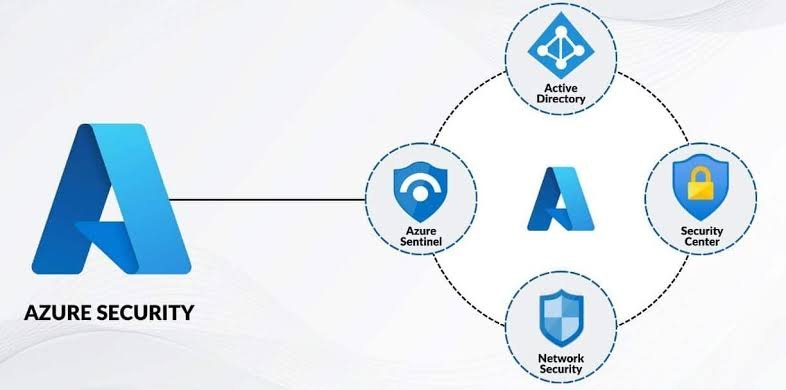
- Seamless integration with Windows Server, Office 365, and Active Directory
- Strong hybrid cloud capabilities
- Enterprise-grade security and compliance
Best For:
- Large enterprises and corporate environments
- Hybrid cloud solutions
- Businesses relying on the Microsoft ecosystem
3. Google Cloud Platform (GCP)
Google Cloud is known for its data analytics and AI capabilities.
Key Features:
- Industry-leading machine learning tools
- Powerful data analytics (BigQuery)
- Competitive pricing and sustainability focus
Best For:
- Data-driven businesses
- AI/ML applications
- Startups and tech companies
4. IBM Cloud
IBM Cloud specializes in enterprise-grade AI and hybrid cloud solutions.
Key Features:
- Integration with IBM Watson
- Strong focus on security and compliance
- Industry-specific solutions (finance, healthcare)
Best For:
- Regulated industries
- AI-powered enterprise applications
- Hybrid cloud deployments
5. Oracle Cloud
Oracle Cloud is highly optimized for database and enterprise workloads.
Key Features:
- High-performance database services
- Strong support for enterprise applications
- Cost-effective pricing for large workloads
Best For:
- Businesses using Oracle databases
- Enterprise resource planning (ERP) systems
- High-performance computing needs
6. Alibaba Cloud
Alibaba Cloud is rapidly growing, especially in Asia.
Key Features:
- Strong presence in the Asia-Pacific region
- Cost-effective solutions
- Scalable infrastructure for eCommerce
Best For:
- Businesses targeting Asian markets
- eCommerce platforms
- Startups with budget constraints
7. DigitalOcean
DigitalOcean focuses on simplicity and developer-friendly cloud services.
Key Features:
- Easy-to-use interface
- Predictable pricing
- Quick deployment of apps
Best For:
- Developers and small businesses
- Startups with simple workloads
- MVP and rapid deployment
How to Choose the Right Cloud Platform
Choosing the right cloud provider depends on your business requirements. Consider these factors:
- Scalability: Can it grow with your business?
- Pricing: Does it fit your budget model?
- Security & Compliance: Does it meet industry standards?
- Integration: Does it work with your existing tools?
- Performance: Does it offer low latency and reliability?