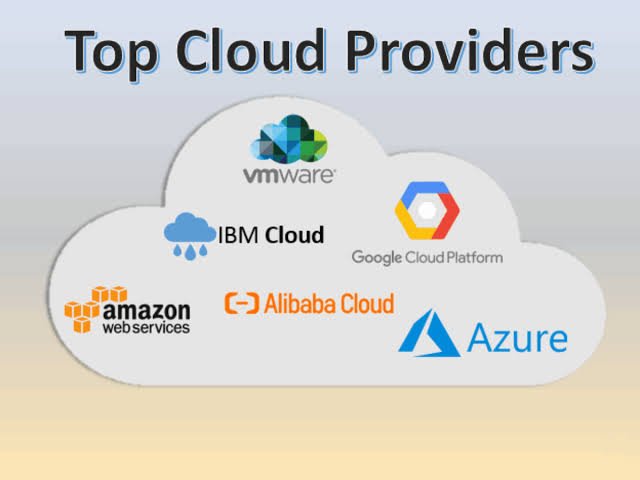
Enterprises today rely heavily on cloud infrastructure to run mission-critical applications, manage large-scale data, and ensure high availability across global operations. Choosing the right cloud provider is a strategic decision that impacts performance, scalability, security, and cost efficiency. This guide explores the best cloud infrastructure providers designed specifically for enterprise workloads.
What Is Enterprise Cloud Infrastructure?
Enterprise cloud infrastructure refers to highly scalable, secure, and resilient computing resources delivered over the cloud. It includes virtual machines, storage, networking, databases, and advanced services tailored for large organisations handling complex workloads.
Key Requirements for Enterprise Workloads
Before selecting a cloud provider, enterprises must evaluate:
- Scalability: Ability to handle massive workloads dynamically
- Security & Compliance: Enterprise-grade data protection and regulatory compliance
- Global Availability: Data centres across multiple regions
- Performance: Low latency and high uptime guarantees
- Integration: Compatibility with existing enterprise systems
Best Cloud Infrastructure Providers
1. Amazon Web Services (AWS)
AWS is the market leader in cloud infrastructure, offering a comprehensive suite of services for enterprises of all sizes.
Key Features:
- Extensive global data centre network
- Wide range of compute and storage services
- Advanced security and compliance certifications
- Strong ecosystem and third-party integrations
Best For: Large enterprises requiring scalability and global reach
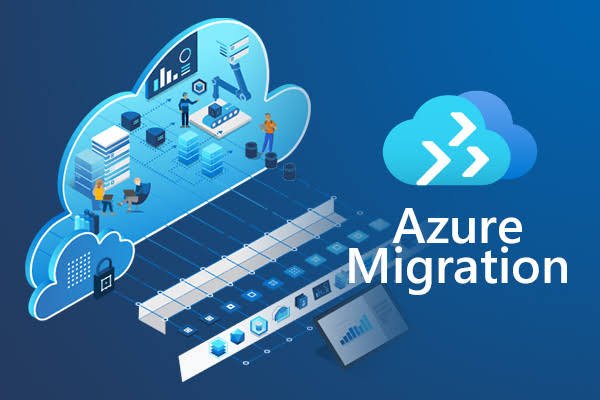
2. Microsoft Azure
Microsoft Azure is a top choice for enterprises already using Microsoft products and hybrid cloud environments.
Key Features:
- Seamless integration with the Microsoft ecosystem
- Strong hybrid cloud capabilities
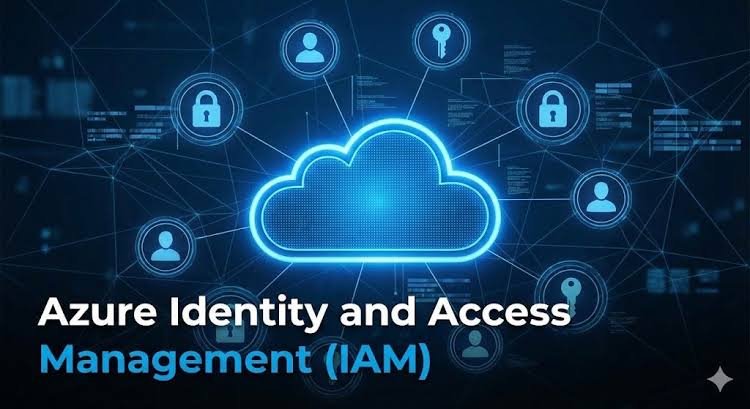
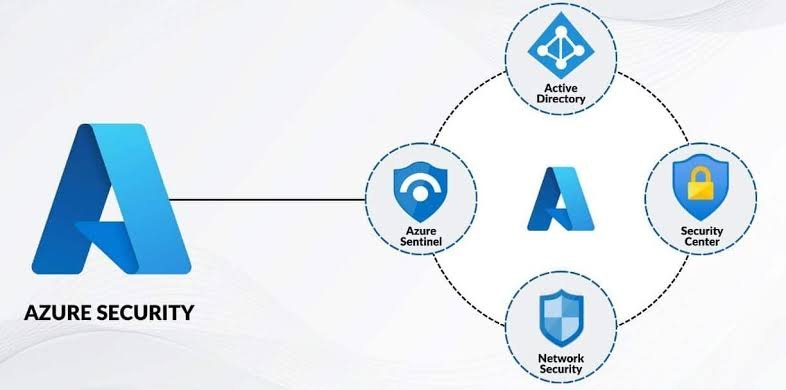
- Enterprise-grade security and compliance
- AI and analytics services
Best For: Organisations using Windows Server, Active Directory, or Microsoft 365
3. Google Cloud
Google Cloud is known for its high-performance infrastructure, data analytics, and AI capabilities.
Key Features:
- Industry-leading data analytics tools
- High-performance computing infrastructure
- Advanced AI and machine learning services
- Competitive pricing models
Best For: Data-driven enterprises and analytics-heavy workloads
4. IBM Cloud
IBM Cloud specialises in hybrid cloud and enterprise-grade solutions, especially for regulated industries.
Key Features:
- Strong focus on security and compliance
- Hybrid cloud and private cloud solutions
- Industry-specific cloud offerings
- Integration with legacy systems
Best For: Banking, healthcare, and government sectors
5. Oracle Cloud Infrastructure (OCI)
Oracle Cloud is designed for high-performance enterprise applications, especially databases.
Key Features:
- Optimised for Oracle databases and applications
- High-performance computing capabilities
- Strong SLAs and reliability
- Cost-effective for enterprise workloads
Best For: Enterprises using Oracle software and databases
6. Alibaba Cloud
Alibaba Cloud is a leading provider in Asia, offering robust infrastructure for global enterprises.
Key Features:
- Strong presence in the Asia-Pacific region
- Scalable infrastructure services
- Competitive pricing
- Security and compliance features
Best For: Businesses expanding in Asian markets
7. VMware Cloud
VMware Cloud enables enterprises to extend their on-premise VMware environments to the cloud.
Key Features:
- Seamless workload migration
- Multi-cloud support
- Familiar with VMware tools and environment
- Strong hybrid cloud capabilities
Best For: Enterprises transitioning from on-premise to cloud
How to Choose the Right Cloud Provider
Selecting the best provider depends on your enterprise's needs:
- For global scalability: AWS or Azure
- For AI and data analytics: Google Cloud
- For hybrid cloud: Azure, IBM Cloud, VMware Cloud
- For database-heavy workloads: Oracle Cloud
- For regional expansion: Alibaba Cloud
Benefits of Using Enterprise Cloud Infrastructure
- Improved operational efficiency
- Faster deployment of applications
- Enhanced data security
- Reduced IT infrastructure costs
- High availability and disaster recovery