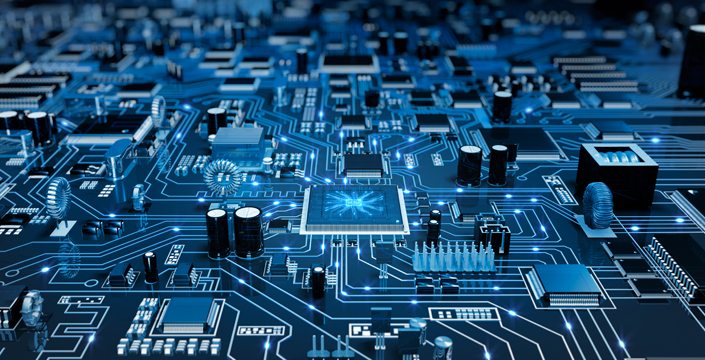
Embedded systems have become an essential part of modern electronic technology. These specialized computing systems are designed to perform dedicated functions within larger devices or systems. Unlike general-purpose computers, embedded systems are optimized for specific tasks such as controlling appliances, monitoring sensors, or managing communication between hardware components.
One of the defining characteristics of embedded systems is their ability to operate in real time. Real-time performance means the system must respond to inputs or events within a specific time frame. This capability is crucial in applications such as automotive control systems, medical devices, and industrial automation equipment, where delays can lead to system failures or safety hazards.
At the heart of most embedded systems lies a microcontroller or microprocessor. Microcontrollers integrate a processor, memory, and input/output peripherals on a single chip, making them ideal for compact and energy-efficient applications. Engineers program these microcontrollers using languages such as C or C++, allowing them to control sensors, motors, displays, and communication interfaces.
Embedded systems are widely used in consumer electronics. Smartphones, smart televisions, washing machines, and home automation systems all rely on embedded technology. These systems enable devices to perform complex functions while maintaining reliability and efficiency.
In the automotive industry, embedded systems play a crucial role in vehicle performance and safety. Modern vehicles contain dozens of embedded controllers that manage engine performance, braking systems, airbags, and infotainment systems. Advanced driver assistance systems (ADAS) also rely on embedded computing to process data from cameras and sensors in real time.
Healthcare technology is another area where embedded systems are making a significant impact. Medical devices such as pacemakers, infusion pumps, and patient monitoring systems rely on embedded software to perform life-saving functions. Engineers working in this field must ensure that these systems meet strict safety and reliability standards.
The rise of the Internet of Things (IoT) has further expanded the role of embedded systems. IoT devices connect sensors, machines, and everyday objects to the internet, allowing them to collect and share data. Embedded systems enable these devices to process information locally while communicating with cloud platforms.
Designing embedded systems requires expertise in both hardware and software engineering. Engineers must understand circuit design, communication protocols, power management, and real-time operating systems. They must also consider factors such as system reliability, energy consumption, and cost efficiency.
Training in embedded systems design is increasingly valuable for electronics and communication engineers. As industries continue to adopt smart technologies, engineers with embedded development skills will be in high demand.
The future of embedded systems will likely include even greater integration with artificial intelligence, enabling devices to make smarter decisions and operate more autonomously. From smart homes to intelligent transportation systems, embedded technology will continue to drive innovation across industries.