Solar energy is becoming one of the fastest-growing sources of clean electricity around the world. A Solar PV (Photovoltaic) system converts sunlight directly into electricity, helping homes and businesses reduce electricity bills and carbon emissions.
However, before installing solar panels, a proper Solar PV system design is essential. A well-designed solar system ensures maximum energy generation, better efficiency, and long-term reliability. In this beginner-friendly guide, we will walk through the step-by-step process of Solar PV system design, the main components involved, and the key factors engineers consider when planning a solar installation.
What Is Solar PV System Design?
Solar PV system design is the process of planning and configuring a solar power system so it can efficiently convert sunlight into usable electricity. It involves selecting the right components, calculating energy needs, determining panel placement, and ensuring the system operates safely and efficiently.
A proper design helps achieve:
- Maximum solar energy production
- Reduced electricity costs
- Reliable power supply
- Long system lifespan
Whether for a home, commercial building, or industrial facility, every solar installation begins with a detailed design phase.
Main Components of a Solar PV System
Before understanding the design process, it is important to know the basic components of a solar PV system.
1. Solar Panels
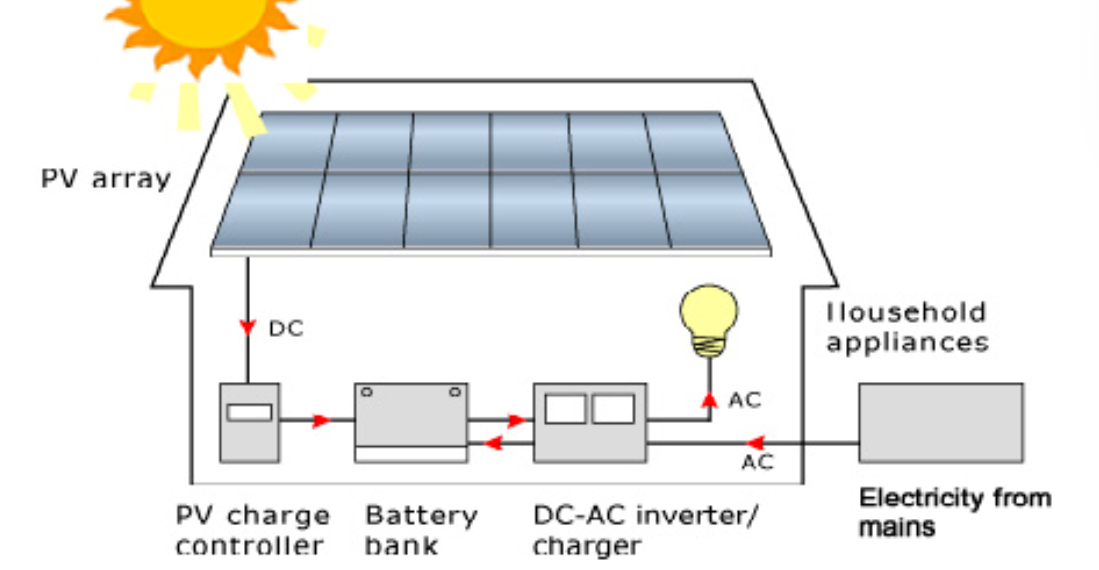
Solar panels capture sunlight and convert it into direct current (DC) electricity using photovoltaic cells.
2. Solar Inverter
An inverter converts the DC electricity produced by solar panels into alternating current (AC), which is used by most household appliances.
3. Mounting Structure
The mounting system secures solar panels to rooftops or ground installations and ensures they remain stable in different weather conditions.
4. Battery Storage (Optional)
Some systems include batteries to store excess electricity for use at night or during power outages.
5. Electrical Wiring and Protection Devices
Cables, switches, and protection equipment ensure safe electricity flow throughout the system.
Step-by-Step Process of Solar PV System Design
Designing a solar PV system involves several technical steps. Let us break down the process in a simple way for beginners.
Step 1: Assess Energy Requirements
The first step in solar PV system design is determining how much electricity the building consumes.
Engineers typically review:
- Monthly electricity bills
- Daily energy consumption (kWh)
- Peak load requirements
For example, if a household uses 900 kWh per month, the solar system must be designed to generate roughly the same amount of energy.
This helps determine the system size, usually measured in kilowatts (kW).
Step 2: Evaluate the Installation Site
The next step is analyzing the installation location. Solar energy production depends heavily on environmental conditions.
Important factors include:
- Roof orientation and tilt angle
- Available installation area
- Shade from trees or nearby buildings
- Geographic location and sunlight availability
South-facing roofs (in the northern hemisphere) generally receive the maximum sunlight, making them ideal for solar panel installation.
Step 3: Calculate Solar System Size
After understanding energy needs and site conditions, designers calculate the required solar capacity.
The system size depends on:
- Daily energy demand
- Average sunlight hours
- System efficiency
For instance, if an area receives 5 peak sunlight hours per day, designers can estimate the number of panels required to meet the energy demand.
This calculation ensures the solar system produces enough electricity throughout the year.
Step 4: Select the Right Solar Panels
Choosing the right solar panels is another important step in solar PV system design.
Panels vary in:
- Efficiency levels
- Power rating (e.g., 400W, 550W panels)
- Physical size
- Durability and warranty
Higher-efficiency panels generate more electricity in a limited space, making them ideal for rooftop installations with smaller areas.
Step 5: Design the Solar Panel Layout
Once the components are selected, engineers design the panel layout.
This involves:
- Determining the number of panels
- Arranging panels for maximum sunlight exposure
- Ensuring adequate spacing for maintenance and airflow
Specialized software tools are often used to simulate solar production and optimize panel placement.
Step 6: Choose the Appropriate Inverter
The inverter is a critical component of any solar PV system.
Common inverter types include:
String Inverters
Used for most residential installations and connects multiple panels.
Microinverters
Installed on each panel, improving efficiency in partially shaded areas.
Hybrid Inverters
Used in systems that include battery storage.
Selecting the right inverter ensures efficient power conversion and system reliability.
Step 7: Design Electrical Connections and Safety Systems
Electrical design ensures that all system components work together safely.
This step includes:
- Cable sizing
- Circuit protection devices
- Earthing and grounding
- Disconnect switches
These elements protect the system from electrical faults and ensure compliance with safety standards.
Step 8: Estimate System Performance
Before installation, designers estimate how much electricity the solar system will generate annually.
Performance analysis considers:
- Seasonal sunlight variations
- System losses
- Temperature effects
- Panel degradation over time
Accurate forecasting helps users understand energy savings and return on investment (ROI).
Step 9: Final System Documentation
The final stage of solar PV system design includes preparing technical documentation, such as:
- Electrical drawings
- Layout diagrams
- Equipment specifications
- Installation guidelines
These documents help installers complete the project efficiently and ensure compliance with local regulations.
Benefits of Proper Solar PV System Design
A well-planned solar PV system offers several advantages.
Higher Energy Efficiency
Optimized panel placement increases electricity generation.
Lower Electricity Bills
Solar systems reduce dependence on grid electricity.
Long Term Reliability
Proper design prevents performance issues and system failures.
Environmental Sustainability
Solar power reduces greenhouse gas emissions and promotes clean energy.
Common Mistakes to Avoid in Solar PV System Design
Beginners often overlook some important design considerations. Avoiding these mistakes can improve system performance.
- Ignoring shading analysis
- Using undersized cables
- Poor panel orientation
- Choosing low quality components
- Incorrect inverter sizing
Careful planning helps prevent these issues and ensures a more efficient solar installation.
The Future of Solar PV System Design
Solar technology is advancing rapidly, making systems more efficient and affordable. Innovations such as AI based solar design tools, smart inverters, and energy storage systems are transforming the way solar power systems are designed and managed.
As governments and businesses invest more in renewable energy, the demand for skilled solar PV system designers and engineers is expected to grow significantly in the coming years.