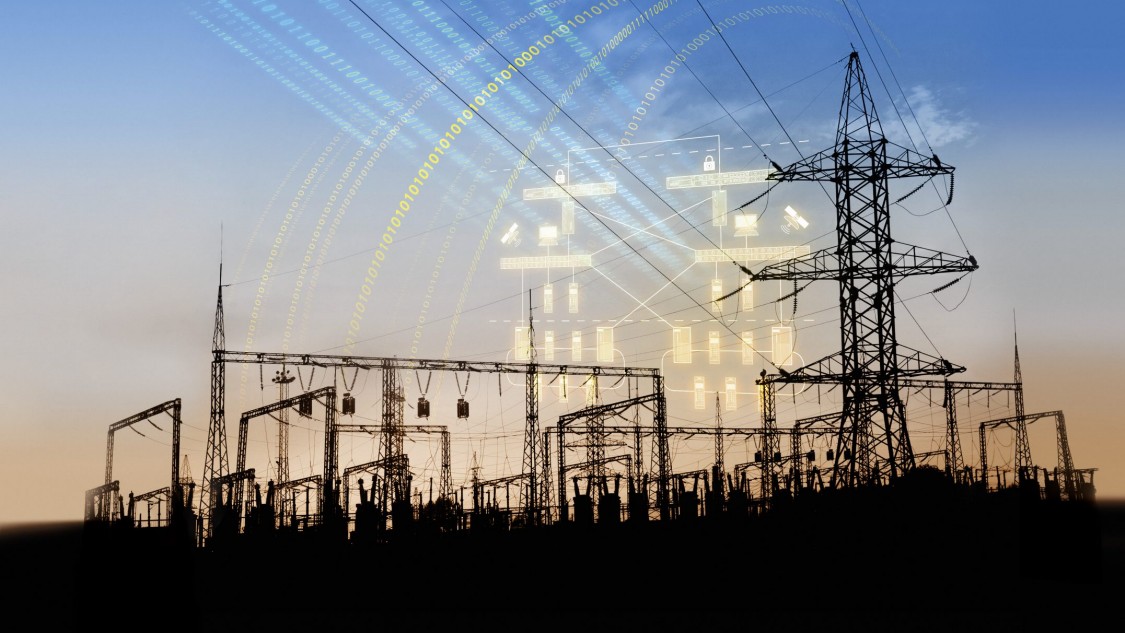
Modern electrical power systems are among the most complex infrastructures in the world. They consist of generation plants, transmission lines, substations, and distribution networks that must operate continuously and reliably. Any failure in the system can lead to major disruptions affecting industries, businesses, and households. This is why power system protection plays such a vital role in electrical engineering.
Power system protection involves detecting abnormal conditions such as short circuits, overloads, and equipment failures, and isolating the faulty section of the network. The primary goal is to protect electrical equipment and maintain system stability while minimizing disruption to the rest of the grid.
Protective relays are the core components of protection systems. These devices monitor electrical parameters such as current, voltage, and frequency. When a fault occurs, the relay detects the abnormal condition and sends a signal to circuit breakers to isolate the faulty section. This process happens within milliseconds, preventing damage to expensive equipment such as transformers and generators.
Different protection schemes are used depending on the type of electrical equipment involved. For example, transmission lines use distance protection schemes, while transformers often use differential protection. Engineers must carefully design these systems to ensure they operate correctly under various operating conditions.
Another important concept in power system protection is relay coordination. This ensures that the protection devices closest to the fault operate first, while upstream devices act as backups if necessary. Proper coordination prevents unnecessary power outages and improves system reliability.
With the growth of renewable energy sources such as solar and wind power, power system protection is becoming even more complex. Renewable energy introduces variability in power generation, which can affect protection system performance. Engineers must design adaptive protection schemes that can handle these dynamic conditions.
Digital relays and intelligent electronic devices are now widely used in modern substations. These devices offer advanced monitoring capabilities, communication features, and integration with SCADA systems. Engineers can analyze fault data, monitor system performance, and optimize protection settings remotely.
Training in power system analysis and protection is essential for electrical engineers working in utilities, power plants, and industrial facilities. Understanding fault analysis, relay coordination, and protection system design allows engineers to maintain reliable and efficient electrical networks.
As power demand continues to grow worldwide, reliable protection systems will remain critical for ensuring uninterrupted electricity supply. Electrical engineers will continue to play a vital role in designing and maintaining these systems.