As organizations adopt cloud computing, one of the most important concepts to understand is the shared responsibility model. Many beginners assume that cloud providers handle all aspects of security, but that is not the case.
The shared responsibility model clearly defines how security duties are divided between cloud service providers and customers. Understanding this model is essential to avoiding security gaps and protecting cloud environments effectively.
What Is the Shared Responsibility Model
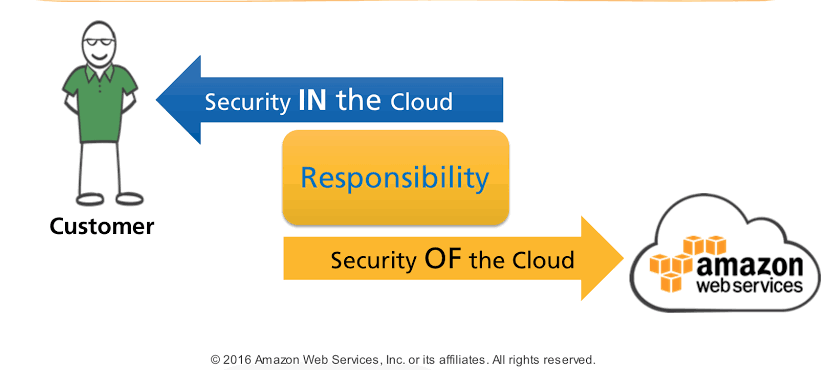
The shared responsibility model is a framework used in cloud computing that outlines which security tasks are managed by the cloud provider and which are handled by the customer.
In simple terms, the cloud provider secures the cloud infrastructure, while the customer is responsible for securing what they put into the cloud, such as data, applications, and user access.
This division ensures that both parties play a role in maintaining a secure cloud environment.
Why the Shared Responsibility Model Matters
Understanding this model is critical because misunderstandings can lead to serious security risks. If businesses assume that providers handle everything, they may neglect essential security practices like access control or data encryption.
A clear understanding helps organizations implement the right security measures, maintain compliance, and reduce the risk of cyberattacks.
Responsibilities of Cloud Providers
Cloud providers are responsible for securing the foundational infrastructure that supports cloud services.
This includes physical data centers, servers, storage devices, and networking components. They also handle hardware maintenance, software updates at the infrastructure level, and protection against physical threats.
Major providers like Amazon Web Services, Microsoft Azure, and Google Cloud Platform follow this model and invest heavily in securing their global infrastructure.
They ensure high availability, redundancy, and protection against large-scale attacks such as Distributed Denial of Service (DDoS).
Responsibilities of Customers
Customers are responsible for securing everything they deploy or manage within the cloud environment.
This includes data protection, application security, identity and access management (IAM), and configuration of cloud services. Customers must also ensure proper encryption, regular updates, and secure authentication mechanisms.
For example, if a company stores sensitive data in the cloud but fails to restrict access or encrypt it, any resulting breach is the customer’s responsibility, not the provider’s.
Shared Responsibility Across Cloud Service Models
The level of responsibility varies depending on the type of cloud service being used.
Infrastructure as a Service (IaaS)
In IaaS, the provider manages the infrastructure, while customers have maximum control and responsibility over operating systems, applications, and data. This means customers must handle most of the security configurations.
Platform as a Service (PaaS)
In PaaS, the provider manages the infrastructure and platform, including operating systems and runtime environments. Customers are responsible for their applications and data.
Software as a Service (SaaS)
In SaaS, the provider manages almost everything, including applications. Customers mainly focus on managing user access and protecting their data.
As you move from IaaS to SaaS, the provider takes on more responsibility, and the customer’s responsibilities decrease.
Common Misconceptions About the Model
One of the biggest misconceptions is that cloud providers are responsible for all security aspects. This misunderstanding often leads to weak configurations and exposed data.
Another common mistake is ignoring identity and access management. Even with a secure infrastructure, weak passwords or excessive permissions can lead to breaches.
Risks of Misunderstanding the Model
Failing to understand the shared responsibility model can result in serious consequences.
Misconfigured storage, unsecured APIs, and a lack of encryption can expose sensitive data. Attackers often exploit these issues and are among the leading causes of cloud security incidents.
Businesses may also face compliance violations and financial penalties if they fail to meet regulatory requirements.
Best Practices for Managing Responsibilities
To effectively implement the shared responsibility model, organizations should adopt a proactive approach.
They should clearly define roles and responsibilities within their teams. Implementing strong IAM policies, including multi-factor authentication and least-privilege access, is essential.
Regular security audits and configuration reviews help identify potential vulnerabilities. Data should always be encrypted, and backup systems should be in place.
Organizations should also stay informed about their cloud provider’s security policies and updates.
Benefits of the Shared Responsibility Model
This model provides flexibility and efficiency by allowing both providers and customers to focus on their areas of expertise.
Providers ensure robust infrastructure security, while customers maintain control over their data and applications. This division improves overall security and reduces operational complexity.
It also enables businesses to scale quickly without compromising on security.