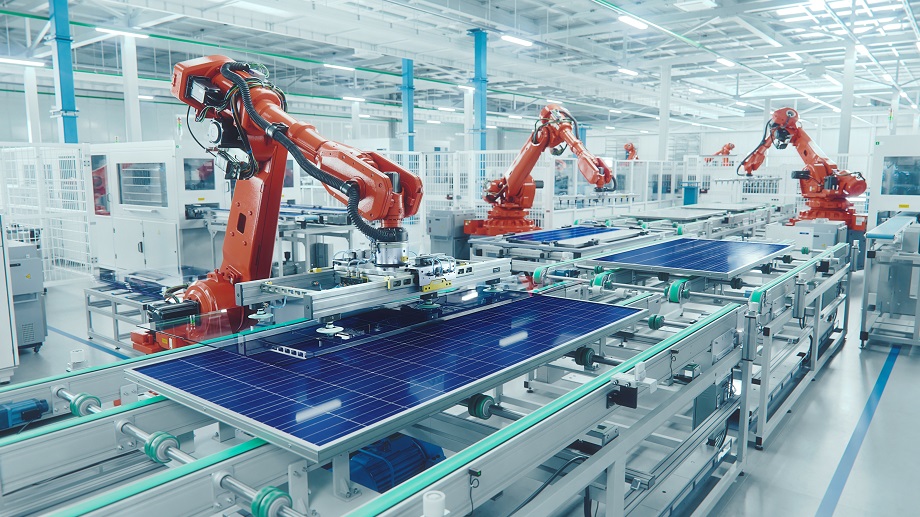
Industrial automation has become one of the most transformative advancements in electrical engineering over the past two decades. As industries move toward higher efficiency, accuracy, and safety, automation technologies are increasingly replacing manual processes. Engineers are now expected to understand advanced control systems, industrial communication networks, and intelligent monitoring tools to design and maintain modern automation solutions.
At the core of industrial automation lies the use of programmable logic controllers (PLCs), supervisory control and data acquisition (SCADA) systems, and human-machine interfaces (HMIs). These technologies allow engineers to automate complex industrial operations such as manufacturing lines, chemical processing plants, and power generation facilities. PLCs serve as the brain of automated systems, executing control logic and responding to real-time inputs from sensors and actuators.
SCADA systems, on the other hand, provide centralized monitoring and control. Engineers can observe entire plant operations from a single control room while receiving real-time data about equipment performance. This improves decision-making and reduces downtime. With SCADA systems, faults can be detected quickly and corrective actions can be implemented before major failures occur.
The integration of the Internet of Things (IoT) has further revolutionized automation in electrical engineering. IoT-enabled devices can transmit operational data continuously, allowing predictive maintenance strategies. Engineers can analyze equipment behavior and schedule maintenance before breakdowns happen, which significantly improves operational efficiency.
Another major advancement in automation is the adoption of artificial intelligence and machine learning in industrial processes. These technologies allow automated systems to optimize performance by learning from historical data. For example, machine learning algorithms can improve energy consumption patterns in manufacturing plants or optimize load distribution in power systems.
Automation also enhances safety in industrial environments. Dangerous tasks that once required human intervention can now be handled by automated systems and robotics. Electrical engineers play a key role in designing these safety systems and ensuring they meet industry standards.
As industries continue to adopt smart technologies, electrical engineers must continuously update their skills. Training in PLC programming, SCADA configuration, industrial networking, and automation system design is becoming essential for engineers who want to remain competitive in the job market.
The future of industrial automation looks even more promising with the growth of Industry 4.0. Smart factories equipped with interconnected machines, intelligent monitoring systems, and data-driven decision-making tools will become the standard in manufacturing and power industries.
Electrical engineers who understand automation technologies will play a crucial role in shaping these smart industrial environments. By combining traditional electrical engineering knowledge with modern automation tools, engineers can develop efficient, reliable, and intelligent systems that drive industrial progress.