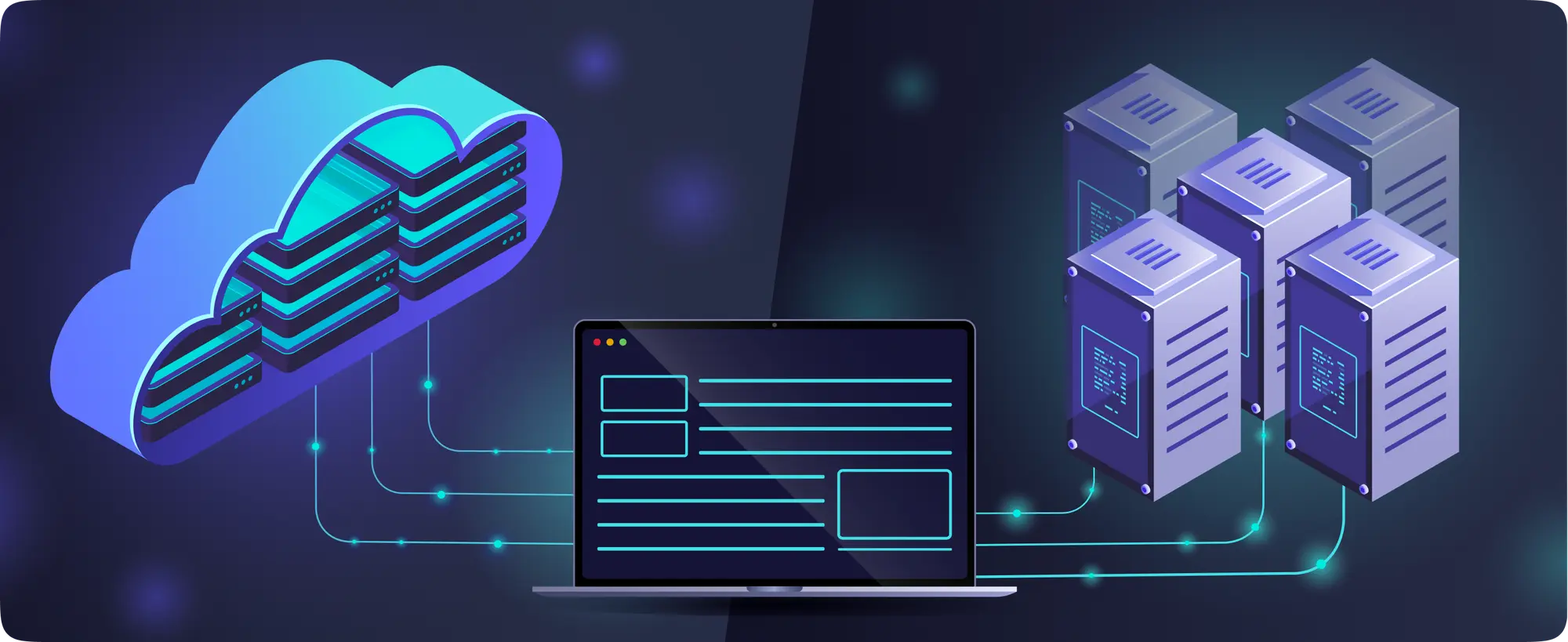
In today’s digital world, businesses rely heavily on technology to store data, run applications, and manage operations. Traditionally, organizations used on-premise IT infrastructure, where servers and hardware were installed and maintained within company premises.
However, with the rise of cloud computing, companies now have the option to access computing resources through the internet without maintaining physical hardware. Understanding the differences between cloud computing and traditional IT infrastructure can help organizations choose the right technology for their needs.
What is Cloud Computing?
Cloud computing is a technology that allows users to store data, run applications, and access computing resources through the internet instead of relying on local servers or personal computers.
Cloud service providers manage the infrastructure, security, updates, and scalability. Businesses pay for the resources they use.
Popular cloud platforms include services offered by companies like Amazon Web Services, Microsoft Azure, and Google Cloud.
Key Features of Cloud Computing
- On-demand access to computing resources
- High scalability and flexibility
- Pay-as-you-go pricing model
- Remote access from anywhere
- Automatic updates and maintenance
What is Traditional IT Infrastructure?
Traditional IT infrastructure refers to the physical hardware and software systems that organizations install and maintain within their own premises.
This infrastructure includes servers, networking devices, storage systems, and data centers that are managed by the company’s internal IT team.
Key Components of Traditional IT Infrastructure
- Physical servers and storage devices
- Networking equipment, such as routers and switches
- On-premise data centers
- In-house IT maintenance and security management
Although this model offers complete control over systems, it often requires high upfront investment and continuous maintenance.
Key Differences Between Cloud Computing and Traditional IT Infrastructure
1. Cost Structure
One of the biggest differences between the two models is cost.
Traditional infrastructure requires significant initial investment in hardware, software licenses, and data centers. Businesses also need to pay for electricity, cooling, and maintenance.
Cloud computing, on the other hand, follows a pay-as-you-use model, allowing companies to pay only for the resources they consume.
2. Scalability and Flexibility
Cloud computing offers high scalability, meaning businesses can easily increase or decrease resources depending on demand.
Traditional IT systems are less flexible because expanding infrastructure requires purchasing and installing new hardware, which takes time and money.
3. Maintenance and Management
In a traditional IT infrastructure, the organization’s internal IT team is responsible for:
- System updates
- Security management
- Hardware maintenance
- Backup and recovery
With cloud computing, most of these responsibilities are handled by the cloud service provider, reducing operational workload.
4. Accessibility
Cloud computing allows users to access applications and data from anywhere with an internet connection.
Traditional infrastructure usually requires access to the local network or on-premise systems, which can limit remote work and collaboration.
5. Security and Data Protection
Security is an important concern for both models.
Traditional infrastructure offers full control over data security, but it requires strong in-house expertise and investment.
Cloud providers typically implement advanced security measures, encryption, and compliance standards, making cloud platforms secure for many organizations.
6. Deployment Speed
Setting up traditional infrastructure can take weeks or even months because hardware must be purchased, installed, and configured.
Cloud computing environments can be deployed within minutes, enabling faster innovation and development.
When Should Businesses Choose Cloud Computing?
Cloud computing is ideal for organizations that need:
- Rapid scalability
- Lower upfront costs
- Remote accessibility
- Faster deployment of applications
Startups and growing businesses often prefer cloud solutions because they can scale resources without heavy investments.
When is Traditional IT Infrastructure a Better Choice?
Traditional infrastructure may be suitable for organizations that:
- Require full control over their systems
- Operate in highly regulated industries
- Manage extremely sensitive data
- Already have a large existing IT infrastructure
Large enterprises sometimes use a hybrid approach, combining both cloud and on-premises systems.