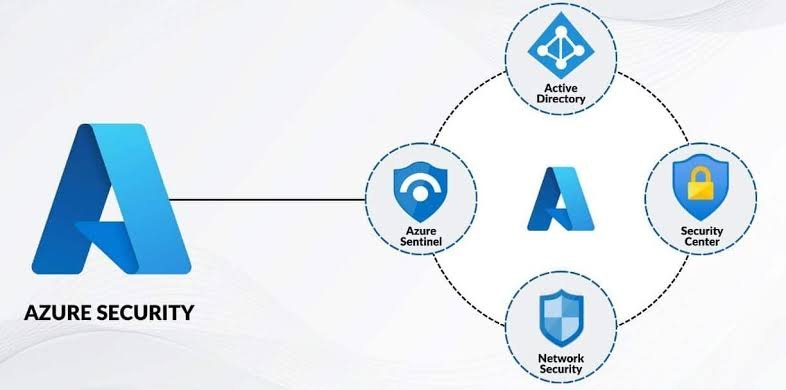
In today's cloud-dominated world, where businesses store sensitive data on platforms like AWS, Azure, and Google Cloud, securing these environments is non-negotiable. Cloud penetration testing simulates real-world cyberattacks to identify weaknesses, ensuring your infrastructure stays one step ahead of threats. This detailed guide breaks down the methods, tools, and best practices to make your cloud setup ironclad.
What is Cloud Penetration Testing?
Cloud penetration testing, often called cloud pentesting, goes beyond traditional network scans by targeting the unique aspects of cloud architectures. Unlike on-premises systems, cloud setups involve shared responsibility models, where providers secure the underlying infrastructure, but you handle your data, apps, and configurations. Pentesters mimic hackers to exploit misconfigurations, weak IAM policies, or exposed APIs, revealing risks that automated scans might miss.
This process is vital because cloud breaches often stem from human error, such as overly permissive S3 buckets or forgotten debug endpoints. According to recent reports, over 60% of cloud incidents tie back to IAM over-privileging, making targeted testing a game-changer for compliance with standards like GDPR, HIPAA, or SOC 2. Regular cloud pentesting not only plugs holes but also builds a culture of proactive security.
Why Cloud Penetration Testing Matters Now
As organizations migrate to the cloud in 2026, attack surfaces expand exponentially with multi-cloud strategies and serverless functions. Traditional pentesting falls short here because cloud resources are dynamic, auto-scaling groups and ephemeral instances shift constantly. Cloud pentesting uncovers these fluid vulnerabilities, from lateral movement via compromised service accounts to data exfiltration through unsecured storage.
The payoff is huge: reduced breach costs, faster incident response, and peace of mind. For digital marketers and trainers like those building scalable Instagram or SEO campaigns on cloud platforms, it prevents downtime that could tank your brand. In short, it's not just about defense; it's about enabling secure growth in a hybrid world.
Key Methods in Cloud Penetration Testing
Effective cloud pentesting follows structured phases, adapted from frameworks like OWASP or PTES, but tailored for the cloud's distributed nature. Start with reconnaissance to map assets without alerting defenses, then escalate to exploitation. Here's how it unfolds in practice.
Reconnaissance and Information Gathering
This initial phase is all about passive and active intel collection. Pentesters enumerate cloud assets using public tools to list buckets, VMs, and endpoints, such as querying DNS records or scraping metadata services. In AWS, for instance, tools reveal public S3 buckets via error messages or bucket naming patterns. The goal? Build a blueprint of your attack surface without triggering logs.
Focus on cloud-specific recon: IAM role enumeration, subnet discovery, and service tagging. Missteps here, like exposed metadata endpoints, often lead to privilege escalation. Always scope this phase legally with the provider's rules of engagement to avoid account suspension.
Scanning and Vulnerability Assessment
Once mapped, deploy scanners to probe for open ports, weak services, and config drifts. Network tools detect exposed RDP or SSH, while cloud-native checks flag public storage or over-permissive policies. Prioritize severity using CVSS scores, blending automated scans with manual validation for false positives.
In multi-cloud setups, rotate scans across providers Azure AD graphing for identity flaws, and GCP IAM audits for service account risks. This phase shines in spotting 80% of low-hanging fruit, like unencrypted volumes or default credentials.
Exploitation and Post-Exploitation
Here, the fun begins: chain vulnerabilities into full compromises. Use exploits for known CVEs, then pivot laterally and escalate from a low-priv VM to root via IAM assumption. Test real-world paths like SSRF to metadata services or token theft in Kubernetes pods. Document every step for reproducibility.
Post-exploitation simulates persistence: create backdoors, exfiltrate data, or deploy ransomware payloads (safely, in a lab). This reveals defense gaps, like missing logging or slow IR response. Always clean up to leave no trace.
Reporting and Remediation
End with actionable reports: executive summaries for stakeholders, technical details for devs. Include risk ratings, proofs-of-concept, and fix steps like tightening bucket policies or enabling MFA. Retest post-fix to verify. This closes the loop, turning findings into lasting resilience.
Top Tools for Cloud Penetration Testing
No pentest toolkit is complete without cloud-savvy tools. Here's a curated selection for 2026, covering free/open-source gems and enterprise powerhouses. Each excels in specific areas, so mix them based on your stack.
Network and Recon Tools
- Nmap: The gold standard for port scanning and OS fingerprinting in cloud VPCs. Its scripting engine (NSE) probes cloud services deeply, like detecting Elasticsearch on port 9200. Run it stealthily with timing templates to evade WAFs.
- CloudBrute: A brute-forcer for cloud storage that enumerates S3, Azure blobs, and GCP buckets at scale. Perfect for finding forgotten assets with weak permissions.
Vulnerability Scanners
- Nessus: Tenable's beast for vuln scanning across cloud workloads. It covers 750+ secret types and integrates with CI/CD for shift-left security. Agentless mode suits dynamic environments.
- Burp Suite: Web app proxy extraordinaire for cloud-hosted APIs and frontends. Its scanner crawls S3 misconfigs and tests for XSS or IDOR in serverless Lambdas. Community edition is free and mighty.
Cloud-Specific Frameworks
- Prowler: Open-source auditor for AWS/GCP/Azure CIS benchmarks. Flags IAM excesses, public resources, and logging gaps. Run it pre-pentest for quick wins.
- ScoutSuite: Multi-cloud recon tool that generates HTML reports on configs. It dives into permissions without API quotas, ideal for over-privileged roles.
- Pacu: AWS exploitation framework rivaling Metasploit. Automates S3 dumps, IAM pivots, and token grabs, scriptable for custom attacks.
- Metasploit: Framework king with cloud modules for EternalBlue or SSRF chains. Pair it with payloads for post-exploit in VMs.
Advanced and Specialized
- MicroBurst: PowerShell toolkit for Azure enumerates subs, AAD graphs, and storage flaws. Stormspotter variant maps identities visually.
For Kubernetes, try kube-hunter; for serverless, check LambdaGuard. Enterprise options like SentinelOne add real-time monitoring and secret scanning.
Best Practices for Effective Cloud Pentesting
Success hinges on methodology over tools. Always get written ROE from clients, defining targets and no-go zones like prod DBs. Use segmented accounts with least privilege. Your pentest creds shouldn't god-mode the cloud.
Integrate with DevSecOps: automate scans in pipelines, prioritize by business impact. Train teams on findings via workshops, turn "oops" moments into skills. Schedule quarterly tests, plus post-major changes. For multi-cloud, standardize with tools like Prowler.
Legal note: Cloud providers require prior approval for pen tests AWS via their form, Azure through support. Violate this, and your account's toast. Stay ethical, stay legal.
Common Pitfalls and How to Avoid Them
Many stumble on scope creep, chasing shiny objects outside bounds. Stick to defined assets. False positives from scanners? Validate manually. Ignore the shared model at your peril; test your configs, not the provider's hypervisor.
Dynamic clouds fool static tools; use API-driven scanners. Finally, rushed reports kill value, make them remediation roadmaps, not blame lists.
Mastering cloud penetration testing equips you to safeguard modern infrastructures. With these methods and tools, you're not just testing, you're fortifying against tomorrow's threats. Dive in, practice ethically, and watch your cloud security soar.