Electricity powers almost every aspect of modern life from homes and hospitals to factories and data centers. Behind this reliable flow of electricity lies a carefully engineered framework known as power systems design.
Power systems design ensures that electricity generated at power plants reaches to consumers safely, efficiently, and without interruption. Engineers carefully plan each stage of the electrical network, including generation, transmission, distribution, and protection systems.
In this guide, we will explore how is power systems design works, its major components, and why it plays an important role in modern electrical infrastructure.
What Is Power Systems Design?
Power systems design is the process of planning, analyzing, and implementing electrical power networks that generate, transmit, and distribute electricity to consumers.
The main objective of power system design is to ensure:
- Reliable power supply
- Efficient energy transmission
- Safe electrical operation
- Minimal power losses
- Stable voltage levels
Electrical engineers use advanced tools, simulations, and calculations to design systems capable of supporting large power demands while maintaining safety and stability.
Key Components of a Power System
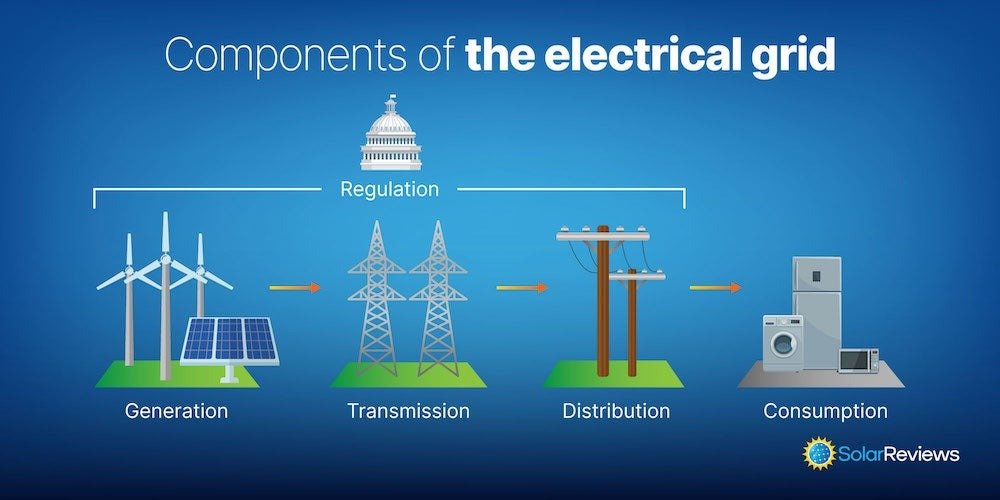
A modern electrical grid consists of several interconnected components that work together to deliver electricity.
1. Power Generation
The first stage of any power system is electricity generation. Power plants convert energy from natural resources into electrical energy.
Common power generation sources include:
- Thermal power plants (coal, gas)
- Hydroelectric power plants
- Nuclear power plants
- Solar energy systems
- Wind turbines
Each generation method requires careful planning to ensure stable energy production and efficient integration into the grid.
2. Power Transmission
Once electricity is generated, it must be transported over long distances to cities and industries. This is done through high-voltage transmission lines.
Transmission systems typically operate at very high voltages such as:
- 132 kV
- 220 kV
- 400 kV
- 765 kV
Using high voltage reduces energy losses during transmission and allows electricity to travel hundreds of kilometers efficiently.
Substations are also used in this stage to step up or step down voltage levels when required.
3. Power Distribution
After reaching regional substations, electricity enters the distribution network that supplies homes, businesses, and local industries.
Distribution systems typically operate at lower voltages such as:
- 11 kV
- 33 kV
- 415 V (for residential supply)
Transformers play a crucial role here by reducing transmission voltage to safe levels for consumer use.
4. Protection Systems
Protection systems are essential in power systems design to prevent damage during faults or abnormal conditions.
Common protection devices include:
- Circuit breakers
- Relays
- Fuses
- Surge protection devices
These systems automatically detect faults like short circuits or overloads and disconnect the affected section to prevent large-scale outages.
Key Steps in Power Systems Design
Designing an electrical power system involves several technical stages. Engineers follow a structured approach to ensure system efficiency and reliability.
Load Calculation
The first step is estimating the total electrical demand of an area or facility. Engineers analyze:
- Residential load
- Industrial load
- Commercial demand
- Future growth
Accurate load calculation helps determine system capacity requirements.
Network Planning
Next, engineers plan the electrical network layout including:
- Substation locations
- Transmission routes
- Distribution feeders
Good network planning minimizes power losses and improves reliability.
Equipment Selection
Selecting the right equipment is critical for power systems design.
This includes:
- Transformers
- Switchgear
- Transmission conductors
- Protection relays
Each component must be rated correctly to handle expected electrical loads.
Power System Analysis
Engineers use specialized software tools to simulate and analyze the system before implementation.
Common analyses include:
- Load flow analysis
- Short circuit analysis
- Stability analysis
- Harmonic analysis
These studies ensure the system operates safely under normal and fault conditions.
Modern Technologies in Power Systems Design
Power systems are evolving rapidly with the introduction of smart grid technologies.
Some modern innovations include:
Smart Grids
Smart grids use digital communication technology to monitor and control electricity flow in real time.
Renewable Energy Integration
Modern grids are designed to integrate renewable energy sources such as solar and wind power.
Energy Storage Systems
Battery storage systems help stabilize the grid by storing excess energy and releasing it when demand increases.
Automation and Monitoring
Advanced sensors and automation systems help utilities detect faults faster and improve grid reliability.
Why Power Systems Design Is Important
A well designed power system ensures:
- Reliable electricity supply
- Reduced energy losses
- Improved grid stability
- Increased safety
- Efficient energy distribution
Without proper power systems design, electrical networks could suffer frequent outages, voltage instability, and equipment failures.
Future of Power Systems Design
The future of power systems design is closely tied to clean energy, smart infrastructure, and digital monitoring.
Engineers are now focusing on:
- Smart grid implementation
- Renewable energy integration
- AI-based grid monitoring
- Microgrid development
- Sustainable power distribution systems
These innovations will help build more resilient and efficient electrical grids worldwide.