Enterprises increasingly adopt multi-cloud strategies using AWS, Azure, and Google Cloud for resilience and optimization. Securing these environments demands provider-specific configurations alongside universal principles like least privilege and continuous monitoring. Proper implementation minimizes risks from misconfigurations and evolving threats while enabling agility.
Securing AWS Environments
Start with the root account by enabling multi-factor authentication (MFA) and avoiding its daily use, delegating tasks via IAM roles instead. Apply the principle of least privilege through granular IAM policies, regularly reviewing access with IAM Access Analyzer to detect overly permissive setups. Security Groups and NACLs should restrict inbound traffic to essential ports and IP ranges only.
Enable encryption everywhere: use AWS KMS for EBS volumes, S3 objects, and RDS instances, ensuring server-side encryption by default. Activate GuardDuty for threat intelligence-based detection, AWS Config for compliance checks, and CloudTrail for audit logs across all regions. Automate patching via Systems Manager and scan for vulnerabilities with Amazon Inspector.
Securing Azure Environments
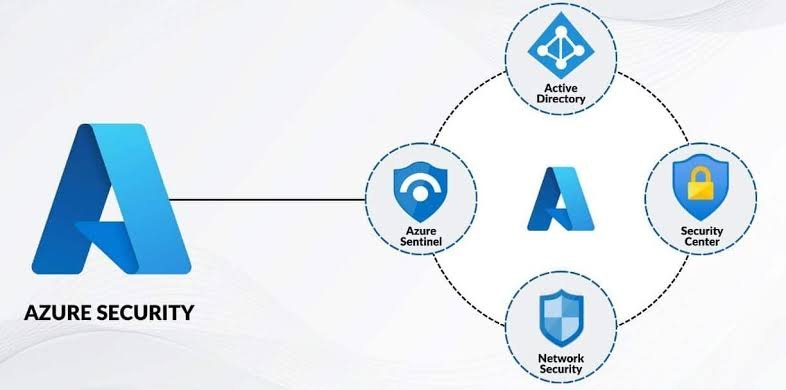
Leverage Azure Active Directory (Entra ID) with conditional access policies enforcing MFA for all users and service principals. Organize resources into management groups, subscriptions, and resource groups with role-based access control (RBAC), auditing entitlements via Microsoft Entra Permissions Management. Network Security Groups (NSGs) must limit traffic, paired with Azure Firewall for advanced filtering.
Store secrets in Azure Key Vault with access policies and integrate Microsoft Defender for Cloud for posture management, vulnerability assessments, and just-in-time VM access. Enable diagnostic logging to Log Analytics workspaces and use Azure Policy for governance, enforcing encryption at rest and in transit across storage accounts and SQL databases.
Securing Google Cloud Environments
Implement Cloud IAM with custom roles scoped to projects or folders, using service accounts for workloads and short-lived tokens via Workload Identity Federation. VPC firewall rules should deny all traffic by default, allowing only explicit needs, with Cloud Armor for DDoS and WAF protection on public services. Organization Policies enforce baselines like restricting public IPs or enabling audit logging universally.
Utilize Secret Manager and Cloud KMS for encryption keys, ensuring customer-managed encryption (CME) for persistent disks and BigQuery datasets. Security Command Center provides centralized risk visibility, while Cloud Audit Logs and Forseti offer monitoring and policy-as-code enforcement. Container security via Binary Authorization prevents unverified images in GKE clusters.
Multi-Cloud Security Strategies
Maintain a unified inventory across providers using tools like AWS Organizations, Azure Lighthouse, and GCP Folders for centralized governance. Implement consistent logging with SIEM integration, CloudWatch to Splunk, Azure Monitor, or Google Logging to correlate events and detect cross-cloud anomalies. Adopt a zero-trust architecture, verifying every access request regardless of origin.
Encrypt data end-to-end with provider KMS services, rotating keys regularly and auditing usage. Conduct automated compliance scans against CIS benchmarks using native tools or third-party CNAPPs for holistic coverage. Regular penetration testing simulates attacks on IAM chaining, exposed APIs, and hybrid connections.
Monitoring and Incident Response
Deploy runtime protection: AWS GuardDuty, Azure Defender, and GCP Security Command Center for behavioral anomaly detection. Set up automated alerts for high-severity findings and integrate with SOAR platforms for rapid remediation. Test incident response quarterly, including table-top exercises covering ransomware, data exfiltration, and account takeovers.
DevSecOps Integration
Embed security in CI/CD pipelines: scan IaC templates with Checkov or Terrascan before deployment, enforce image signing for containers, and gate merges on security approvals. Use infrastructure as code (IaC) with policy-as-code like OPA to prevent drift and enforce standards across clouds.
Ongoing Maintenance and Compliance
Perform weekly posture assessments and monthly access reviews to counter configuration drift. Stay aligned with shared responsibility models, providers secure the cloud, you secure your usage. Train teams on provider-specific nuances and evolving threats to build a security-first culture.