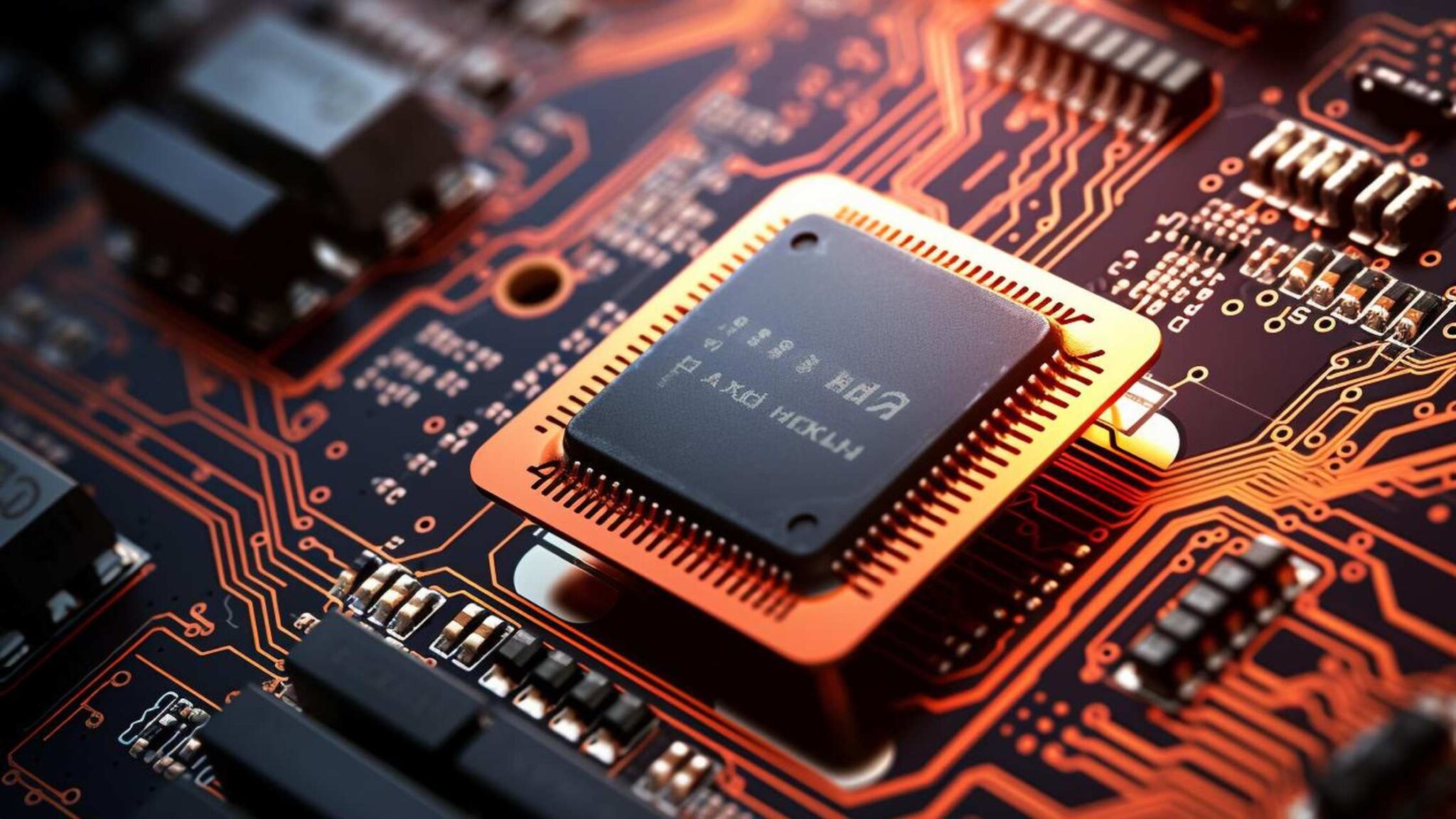
The modern digital world runs on powerful semiconductor chips found in smartphones, computers, automobiles, and smart devices. Behind these advanced chips lies a complex engineering process called VLSI design, which allows millions or even billions of transistors to be integrated into a single chip.
One of the most important stages of this process is RTL (Register Transfer Level) design, where engineers define how data moves inside a digital system. Understanding VLSI and RTL design is essential for electronics and semiconductor engineers who want to build high-performance integrated circuits.
In this guide, we will explore how VLSI and RTL design work, their core concepts, design flow, and why they are crucial in modern semiconductor technology.
What Is VLSI?
VLSI (Very Large Scale Integration) is a technology used to integrate a large number of transistors into a single semiconductor chip. This allows engineers to build complex circuits such as microprocessors, memory chips, and digital signal processors.
Earlier electronic systems required many separate components. VLSI technology changed this by enabling entire systems to be built on a single chip, improving performance while reducing size and power consumption.
Examples of VLSI Applications
VLSI technology is used in many modern devices, including:
- Smartphones and tablets
- Computer processors and GPUs
- Automotive electronics
- Communication systems
- Artificial intelligence hardware
Because of VLSI, electronic devices today are faster, smaller, and more efficient than ever before.
What Is RTL Design?
RTL (Register Transfer Level) design is a digital design abstraction used in VLSI development. It describes how data moves between registers and how logical operations are performed in a circuit.
At the RTL level, engineers define:
- Data paths
- Control logic
- Clock behaviour
- Arithmetic and logical operations
RTL design is usually written using Hardware Description Languages (HDLs) such as:
- Verilog
- VHDL
- SystemVerilog
These languages allow engineers to describe digital circuits in a structured and programmable way.
Relationship Between VLSI and RTL Design
RTL design is a crucial step in the VLSI design flow. It acts as the bridge between system-level architecture and the physical chip layout.
The typical workflow is:
- System specification
- RTL design and coding
- Functional verification
- Logic synthesis
- Physical design
- Chip fabrication
RTL ensures that the chip behaves exactly as intended before moving to expensive manufacturing stages.
VLSI Design Flow Explained
Designing a semiconductor chip involves multiple stages, each requiring careful analysis and verification.
1. System Specification
The design process begins by defining the system requirements. Engineers decide:
- Performance targets
- Power consumption
- Chip size
- Functional requirements
These specifications guide the entire design process.
2. RTL Coding
At this stage, engineers write RTL code using HDLs such as Verilog or VHDL. The RTL code defines the behavior of the circuit and how data flows between registers.
RTL code models the functionality of the digital system before it is physically implemented.
3. Functional Verification
Verification ensures that the RTL design works correctly according to the specifications. Engineers simulate the design using test benches and verification tools.
This step helps detect logical errors early in the design process.
4. Logic Synthesis
Once the RTL design is verified, synthesis tools convert RTL code into a gate-level netlist consisting of logic gates such as AND, OR, and flip-flops.
This step prepares the design for physical implementation.
5. Physical Design
The gate-level netlist is converted into an actual chip layout. This stage includes:
- Floorplanning
- Placement of components
- Routing of connections
- Timing optimization
The final result is the blueprint used for manufacturing the semiconductor chip.
6. Chip Fabrication
Finally, the chip design is sent to semiconductor fabrication facilities where it is manufactured using advanced lithography processes.
Once fabricated, the chip undergoes testing to ensure it meets design specifications.
Importance of RTL Design in VLSI
RTL design plays a vital role in semiconductor development.
Early Error Detection
RTL simulation helps engineers detect functional errors before expensive fabrication.
Design Optimization
Engineers can optimize performance, power consumption, and chip area during the RTL stage.
Hardware Abstraction
RTL provides a high-level representation of the hardware, making complex chip designs easier to manage.
Reusability
RTL modules can often be reused in multiple chip designs, reducing development time.
Tools Used in VLSI and RTL Design
Engineers use advanced Electronic Design Automation (EDA) tools for chip development. Some popular tools include:
- Cadence Design Systems
- Synopsys Design Tools
- Mentor Graphics
- Xilinx Vivado
- Intel Quartus
These tools help engineers design, simulate, and verify semiconductor circuits efficiently.
Applications of VLSI Technology
VLSI design powers almost every modern electronic system.
Consumer Electronics
Smartphones, laptops, and smart TVs rely on VLSI chips.
Automotive Systems
Advanced driver-assistance systems (ADAS) and vehicle control units use VLSI technology.
Telecommunications
Networking equipment and communication devices depend on high-performance semiconductor chips.
Artificial Intelligence
AI accelerators and machine learning processors are built using advanced VLSI designs.
Internet of Things (IoT)
Small and energy-efficient chips power IoT devices and smart sensors.
Future Trends in VLSI Design
The semiconductor industry continues to evolve rapidly. Some emerging trends include:
- AI-assisted chip design
- 3D chip architecture
- Low-power semiconductor technology
- Advanced nanometer fabrication processes
- Chiplet-based architectures
These innovations will drive the next generation of computing and intelligent systems.