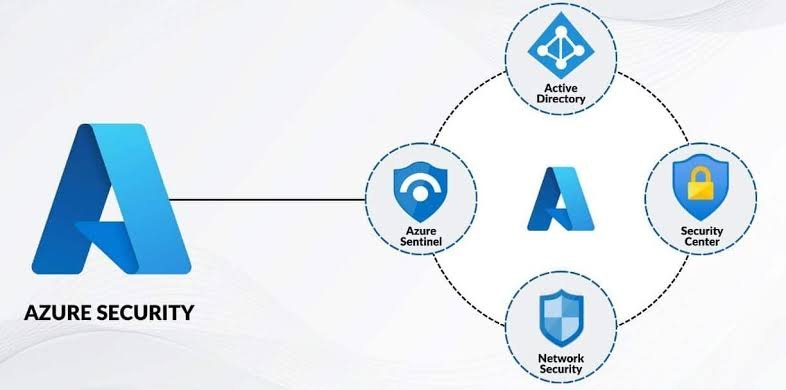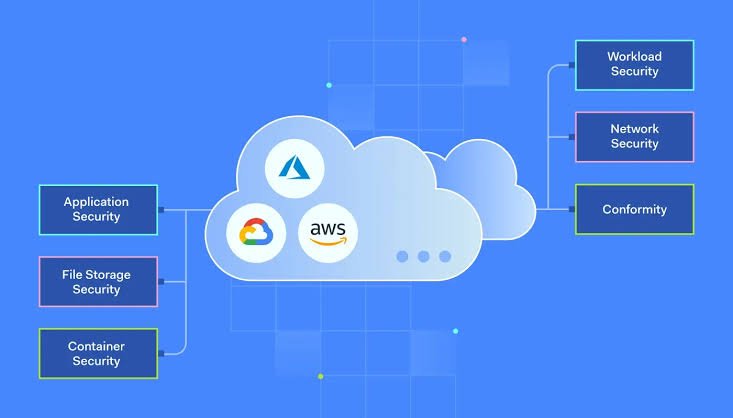
Cloud computing has transformed how businesses operate by offering scalable resources and flexibility, but it also exposes networks to unique vulnerabilities. Network security in cloud computing focuses on protecting data in transit, applications, and infrastructure from threats in shared, dynamic environments. Proper implementation ensures compliance, minimizes downtime, and maintains trust in cloud providers like AWS, Azure, and Google Cloud.
Core Components of Cloud Network Security
Network security in cloud computing relies on layered defenses, starting with firewalls that inspect incoming and outgoing traffic based on predefined rules. These next-generation firewalls operate in software-defined networks, analyzing packets in real-time to block malicious activity without slowing performance. Intrusion detection and prevention systems complement firewalls by monitoring for anomalies and automatically responding to suspicious patterns.
Encryption forms a cornerstone, securing data in transit via SSL/TLS protocols and at rest to prevent interception. Virtual private clouds and subnets isolate workloads, controlling routing and access through lists that enforce granular policies. Load balancers distribute traffic securely, while secure web gateways filter content and protect against phishing or malware embedded in network flows.
Major Threats Facing Cloud Networks
Distributed denial-of-service attacks overwhelm cloud resources, disrupting availability even in auto-scaling setups. Misconfigurations in network access controls create open entry points, allowing unauthorized lateral movement within virtual networks. Encrypted traffic poses risks since threats hide in SSL/TLS streams, evading basic inspections without decryption capabilities.
East-west traffic between internal services amplifies exposure, as attackers pivot undetected once inside the perimeter. API vulnerabilities and unpatched container networks enable exploits like cryptojacking or ransomware propagation. Shadow IT and unmanaged devices further complicate visibility, leading to blind spots in hybrid cloud setups.
Best Practices for Robust Protection
Implement micro-segmentation to divide networks into isolated zones, limiting breach blast radius and blocking lateral attacks. Adopt zero trust principles, verifying every connection regardless of origin, with continuous authentication for users and workloads. Enforce least privilege access using role-based controls integrated across cloud services.
Centralize logging and monitoring through SIEM tools that aggregate flows from all cloud regions for unified threat hunting. Automate security policy deployment with infrastructure as code, scanning for drifts before changes go live. Conduct regular penetration testing tailored to cloud architectures, simulating real-world network attacks.
Enable deep packet inspection for encrypted traffic, balancing privacy with security through selective decryption. Use service meshes for east-west governance, enforcing mutual TLS and policy at the application layer.
Implementing Network Security Strategies
Begin with a cloud-native security platform that spans multi-cloud and hybrid environments for consistent controls. Integrate identity federation to streamline access without proliferating credentials across providers. Deploy distributed firewalls that scale dynamically with containerized workloads, providing Layer 7 visibility.
Train teams on shared responsibility models, clarifying provider versus customer duties for network perimeters. Leverage threat intelligence feeds to block emerging exploits targeting cloud-specific protocols proactively. Schedule quarterly audits of network configurations, prioritizing high-risk paths like public-facing endpoints.
Advanced Techniques for Resilience
Incorporate AI-driven anomaly detection to flag subtle deviations in traffic patterns indicative of advanced persistent threats. Hybrid networking demands secure VPNs and direct connects to bridge on-premises securely with clouds. Content sanitization strips malicious payloads from files, allowing safe delivery over untrusted paths.
For container-heavy environments, enforce network policies via Kubernetes-native tools like Calico or Cilium for pod-level isolation. Measure effectiveness with metrics such as mean time to detect threats and policy compliance rates. Evolve defenses continuously, adapting to new cloud features and attack vectors through vendor partnerships.