As businesses increasingly adopt cloud infrastructure to store data, run applications, and manage operations, security has become a top priority. While cloud computing offers flexibility, scalability, and cost efficiency, it also introduces new risks that organizations must address.
Cloud security plays a vital role in protecting digital assets, maintaining trust, and ensuring uninterrupted business operations in a cloud-driven environment.
Protecting Sensitive Business Data
One of the primary reasons cloud security is important is to protect sensitive data such as customer information, financial records, and intellectual property. Without proper security measures, this data can be exposed to cybercriminals.
Cloud security ensures that data is encrypted, securely stored, and accessible only to authorized users. This reduces the risk of data breaches and unauthorized access, which can have serious financial and legal consequences.
Preventing Cyber Attacks and Threats
Cyber threats such as ransomware, phishing attacks, and malware are constantly evolving. Businesses using cloud infrastructure are attractive targets because of the large volume of data they handle.
Cloud security solutions include advanced threat detection, firewalls, intrusion prevention systems, and real-time monitoring. These tools help identify and stop attacks before they cause damage, ensuring that business operations remain secure.
Ensuring Regulatory Compliance
Many industries are required to follow strict data protection regulations and compliance standards. Failure to comply can result in heavy fines and legal issues.
Cloud security helps businesses meet these requirements by implementing proper data handling practices, access controls, and audit trails. It ensures that organizations adhere to standards such as GDPR, HIPAA, and other industry-specific regulations.
Supporting Business Continuity
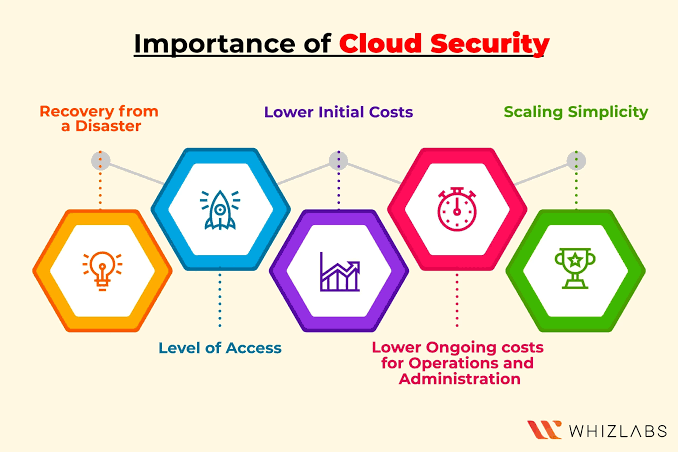
Downtime or data loss can severely impact a business’s operations and reputation. Cloud security includes backup solutions, disaster recovery plans, and redundancy systems that ensure data is not lost even during unexpected events.
With strong security measures in place, businesses can quickly recover from incidents and continue their operations with minimal disruption.
Building Customer Trust
Customers expect their data to be handled securely. A single security breach can damage a company’s reputation and lead to loss of customer trust.
By implementing strong cloud security practices, businesses demonstrate their commitment to protecting customer data. This builds confidence and strengthens long-term relationships with clients.
Managing Access and Identity
In cloud environments, multiple users access systems from different locations and devices. Without proper access control, it becomes difficult to manage who can access what.
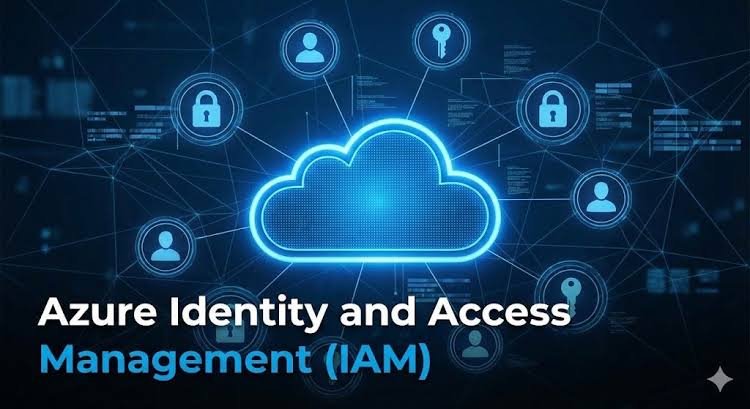
Cloud security uses Identity and Access Management (IAM) to ensure that only authorized users can access specific resources. Features like multi-factor authentication and role-based access control add an extra layer of protection.
Reducing Financial Risks
Security breaches can lead to financial losses due to data theft, legal penalties, and operational downtime. Investing in cloud security helps businesses avoid these risks.
It also reduces costs associated with recovering from cyberattacks and rebuilding systems, making it a cost-effective strategy in the long run.
Enhancing Visibility and Control
Cloud environments can be complex, especially for large organizations. Without proper visibility, it becomes difficult to detect unusual activities or potential threats.
Cloud security tools provide real-time monitoring, logging, and analytics, allowing businesses to maintain control over their infrastructure and respond quickly to security incidents.
Addressing Shared Responsibility
Cloud security operates on a shared responsibility model, where cloud providers secure the infrastructure, and businesses are responsible for securing their data and applications.
Understanding this model is crucial for businesses to ensure that no security gaps are left unaddressed. Proper configuration and management are essential to maintaining a secure cloud environment.
Future-Proofing Business Operations
As technology evolves, so do cyber threats. Businesses need security solutions that can adapt to new challenges.
Modern cloud security incorporates artificial intelligence, automation, and zero trust models to provide advanced protection. This ensures that businesses are prepared for future threats while continuing to grow and innovate.