In 2026, cloud computing has emerged as one of the most essential technologies for modern-day businesses. All kinds of businesses, ranging from small startups to giant corporations, are opting for cloud computing services for storing data, running applications, and operating their businesses.
Today, businesses no longer have to invest heavily in infrastructure, as cloud computing has provided the ability to access computer resources from anywhere at any time and anywhere.
Let’s discuss the topmost advantages of cloud computing services for businesses and startups in 2026.
1. Cost Efficiency and Cutting Down on Infrastructure Costs
First and foremost, cloud computing has emerged as one of the most efficient technologies that can help businesses cut costs to a great extent.
Earlier, businesses used to invest heavily in infrastructure, maintain data centers, and hire IT professionals to operate the infrastructure.
However, with cloud computing, businesses can enjoy the services of cloud computing at much lower costs, as they only have to pay for what they actually use.
This can be highly advantageous for startups, as they can operate their businesses without having to invest heavily in infrastructure.
2. Scalability and Business Growth
Cloud computing allows businesses to scale resources instantly based on demand. If a company experiences rapid growth or a sudden spike in website traffic, it can quickly increase computing power, storage, or bandwidth.
This flexibility is particularly valuable for startups that are growing rapidly. Instead of rebuilding infrastructure, they can upgrade their cloud resources within minutes.
3. Remote Access and Improved Collaboration
In today’s digital workplace, remote work has become more common than ever. Cloud computing allows employees to access files, applications, and systems from anywhere in the world using an internet connection.
Teams can collaborate in real time, share documents, and manage projects efficiently without being physically present in the same office. This improves productivity and enables global collaboration.
4. Enhanced Data Security
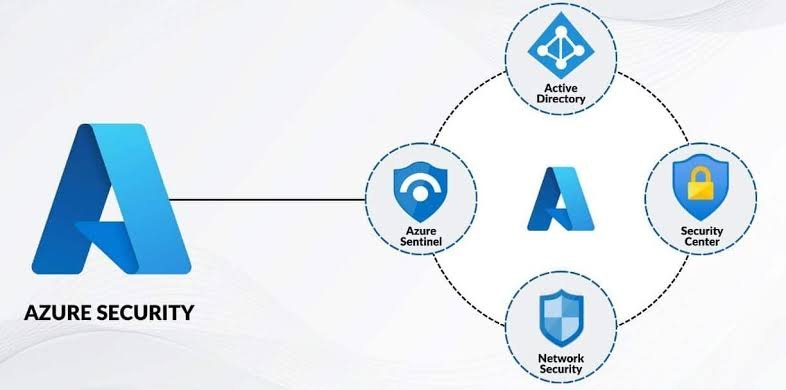
Data security is a top concern for businesses in 2026. Leading cloud providers invest heavily in advanced security technologies such as data encryption, multi-factor authentication, and continuous monitoring.
Cloud platforms also provide automated backups and disaster recovery solutions, ensuring that critical business data remains protected even during unexpected system failures.
5. Faster Deployment of Applications
Cloud computing significantly reduces the time required to develop and launch applications. Developers can quickly build, test, and deploy software using cloud-based tools and services.
This allows businesses to bring new products to market faster and stay ahead of competitors in a rapidly changing digital environment.
6. Automatic Updates and Maintenance
Managing software updates and system maintenance can be time-consuming for IT teams. Cloud service providers handle these tasks automatically.
This ensures that businesses always have access to the latest features, security patches, and performance improvements without interrupting operations.
7. Improved Business Continuity
Unexpected events such as hardware failures, cyberattacks, or natural disasters can disrupt business operations. Cloud computing helps companies maintain continuity through automated data backups and disaster recovery systems.
Even if one server fails, data is stored across multiple locations, ensuring minimal downtime.
8. Increased Innovation and Competitive Advantage
Cloud technology provides businesses with access to advanced tools such as artificial intelligence, machine learning, data analytics, and automation.
Startups can leverage these technologies without building complex infrastructure, allowing them to innovate faster and compete with larger companies.