Modern enterprise infrastructure relies heavily on cloud networking to ensure seamless connectivity, security, and performance across distributed systems. As organizations adopt hybrid and multi-cloud strategies, networking becomes more complex, requiring advanced tools for orchestration, monitoring, and security.
Cloud networking tools enable enterprises to design software-defined networks (SDN), manage traffic, enforce security policies, and connect workloads across multiple cloud environments efficiently.
What Are Cloud Networking Tools?
Cloud networking tools are platforms and technologies that help manage, configure, and optimize network infrastructure in cloud environments. These tools support virtual networks, load balancing, VPNs, and secure connectivity across distributed systems.
Core capabilities include:
- Virtual network provisioning
- Traffic routing and load balancing
- Secure connectivity (VPN, zero trust)
- Network monitoring and analytics
- Multi-cloud and hybrid connectivity
Top Cloud Networking Tools for Enterprise Infrastructure
1. VMware NSX
VMware NSX is a leading software-defined networking (SDN) platform that enables enterprises to create virtual networks independent of physical infrastructure.
Key features:
- Network virtualization and micro-segmentation
- Advanced security policies
- Multi-cloud networking support
- Integration with the VMware ecosystem
Best for: Enterprises using VMware for hybrid cloud environments.
2. Cisco ACI (Application Centric Infrastructure)
Cisco ACI provides centralized automation and policy-based networking for data centres and cloud environments.
Key features:
- Policy-driven automation
- Integrated security and analytics
- Scalable data centre networking
- Strong hardware-software integration
Best for: Large enterprises with complex data centre networks.
3. AWS Transit Gateway
AWS Transit Gateway simplifies connectivity between VPCs, on-premises networks, and other AWS services.
Key features:
- Centralized hub-and-spoke network architecture
- Scalable multi-VPC connectivity
- Integration with the AWS ecosystem
- High availability and fault tolerance
Best for: Enterprises heavily invested in AWS infrastructure.
4. Azure Virtual Network
Azure Virtual Network enables secure communication between Azure resources, on-premises systems, and the internet.
Key features:
- Private networking in Azure
- Integration with hybrid cloud environments
- Built-in security and routing
- Support for VPN and ExpressRoute
Best for: Enterprises using Microsoft Azure.
5. Google Cloud VPC
Google Cloud VPC provides global, scalable networking for Google Cloud resources.
Key features:
- Global virtual network architecture
- High-performance connectivity
- Integrated load balancing
- Strong support for microservices
Best for: Data-driven and global-scale applications.
6. ZeroTier
ZeroTier is a flexible networking solution that enables secure peer-to-peer connectivity across devices and cloud environments.
Key features:
- Software-defined virtual networking
- Secure end-to-end encryption
- Easy multi-cloud connectivity
- Low-latency networking
Best for: Hybrid cloud, IoT, and distributed systems.
7. VNS3
VNS3 is a cloud-based virtual appliance for creating secure overlay networks.
Key features:
- Virtual router, firewall, and VPN capabilities
- Multi-cloud networking support
- Encrypted connectivity
- Flexible deployment options
Best for: Secure multi-cloud and hybrid networking.
8. SONiC (Software for Open Networking in the Cloud)
SONiC is an open-source network operating system designed for cloud-scale data centres.
Key features:
- Open-source and highly customizable
- Scalable for large data centres
- Vendor-neutral networking
- Strong community support
Best for: Enterprises building large-scale, customizable network infrastructure.
9. Apache CloudStack
Apache CloudStack provides integrated networking capabilities alongside compute and storage orchestration.
Key features:
- Built-in virtual networking and VPC support
- Network isolation and security controls
- API-driven automation
- Multi-hypervisor support
Best for: Enterprises managing private and hybrid clouds.
Key Benefits of Cloud Networking Tools
1. Enhanced Scalability
Easily scale network resources to handle growing workloads and traffic demands.
2. Improved Security
Advanced features like micro-segmentation and zero-trust networking protect enterprise systems.
3. Centralized Management
Manage complex network infrastructures from a single interface.
4. Multi-Cloud Connectivity
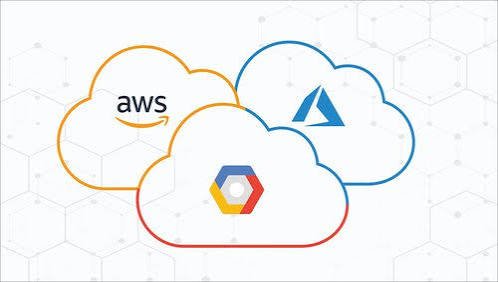
Seamlessly connect workloads across AWS, Azure, and GCP environments.
5. Automation and Efficiency
Reduce manual configuration with automated network provisioning and policies.
How to Choose the Right Cloud Networking Tool
When selecting a cloud networking solution, consider:
- Infrastructure type: Public, private, hybrid, or multi-cloud
- Security requirements: Compliance, encryption, zero trust
- Scalability needs: Ability to handle enterprise workloads
- Integration: Compatibility with cloud providers and DevOps tools
- Cost and complexity: Licensing, setup, and operational overhead