Cloud computing has transformed how businesses store data, run applications, and manage IT infrastructure. However, as organizations move to the cloud, security becomes a critical concern. This is where cloud security comes into play.
Cloud security refers to a set of policies, technologies, controls, and services designed to protect cloud-based systems, data, and infrastructure from cyber threats. It ensures that your information remains secure, compliant, and accessible only to authorized users.
Understanding Cloud Security
At its core, cloud security is about safeguarding digital assets stored in cloud environments. These environments can be public, private, or hybrid clouds, and each comes with its own security challenges.
Unlike traditional IT security, cloud security operates on a shared responsibility model. This means that the cloud provider is responsible for securing the infrastructure, while users are responsible for securing their data, applications, and access controls.
Why Cloud Security Is Important
As businesses increasingly rely on cloud platforms, cyber threats such as data breaches, ransomware attacks, and unauthorized access have become more common. Without proper security measures, sensitive information can be exposed, leading to financial losses and reputational damage.
Cloud security ensures data protection, regulatory compliance, business continuity, and trust among customers. It also helps organizations prevent downtime and maintain smooth operations.
Types of Cloud Security
Cloud security consists of several layers, each addressing a specific aspect of protection.
Data Security focuses on protecting data through encryption, backup, and secure storage practices. It ensures that data remains safe both at rest and in transit.
Application Security involves securing cloud-based applications by identifying vulnerabilities and applying patches or updates regularly.
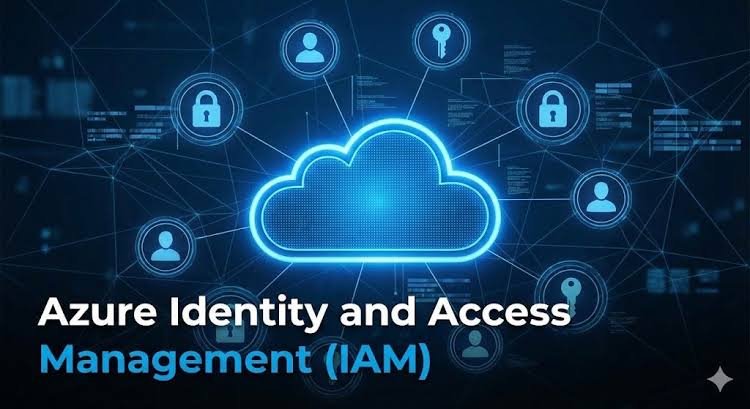
Identity and Access Management (IAM) controls who can access cloud resources. It includes authentication methods like passwords, multi-factor authentication, and role-based access control.
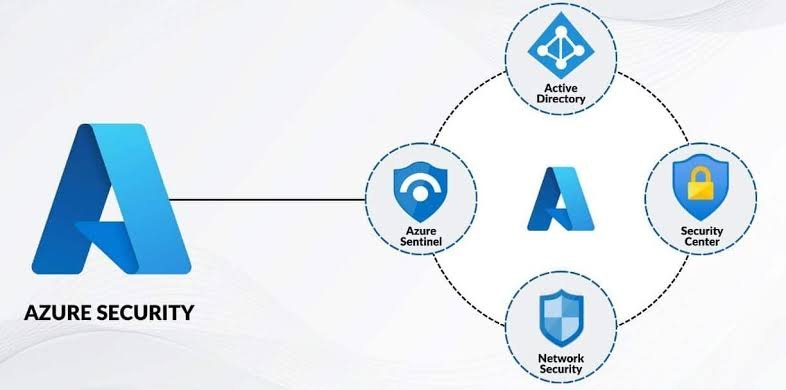
Network Security protects cloud networks from unauthorized access using firewalls, intrusion detection systems, and secure communication protocols.
Endpoint Security ensures that devices accessing cloud services are secure and not compromised by malware or other threats.
Key Components of Cloud Security
Cloud security relies on multiple components working together to create a strong defense system.
Encryption plays a vital role by converting data into unreadable formats unless decrypted with the correct key. Authentication ensures that only verified users can access resources. Monitoring and logging help track activities and detect suspicious behavior in real time.
Security policies and compliance frameworks guide organizations in maintaining industry standards and legal requirements.
Benefits of Cloud Security
One of the biggest advantages of cloud security is scalability. As your business grows, security measures can scale accordingly without requiring major infrastructure changes.
It also offers cost efficiency since organizations do not need to invest heavily in physical security systems. Automated updates and advanced threat detection systems provide better protection compared to traditional setups.
Cloud security enhances flexibility, allowing employees to access data from anywhere while maintaining strong protection.
Challenges in Cloud Security
Despite its advantages, cloud security comes with challenges. Misconfigured settings are one of the most common issues, often leading to data exposure.
Lack of visibility and control over cloud environments can make it difficult to detect threats. Compliance with different regulations across regions can also be complex.
Another major concern is insider threats, where authorized users misuse access privileges intentionally or unintentionally.
Best Practices for Cloud Security
To ensure a secure cloud environment, organizations should follow proven best practices.
Strong password policies and multi-factor authentication should be implemented to prevent unauthorized access. Regular security audits and vulnerability assessments help identify and fix weaknesses.
Data encryption should always be enabled for sensitive information. Access should be limited based on roles and responsibilities to minimize risks.
Organizations should also maintain regular backups and disaster recovery plans to ensure business continuity in case of an attack or system failure.
Employee training is equally important, as human error is one of the leading causes of security breaches.
Future of Cloud Security
Cloud security is continuously evolving with advancements in technology. Artificial intelligence and machine learning are being used to detect threats faster and more accurately.
Zero Trust security models are gaining popularity, where no user or device is trusted by default, even within the network.
As cloud adoption grows, security will remain a top priority, and organizations will continue investing in smarter and more robust solutions.