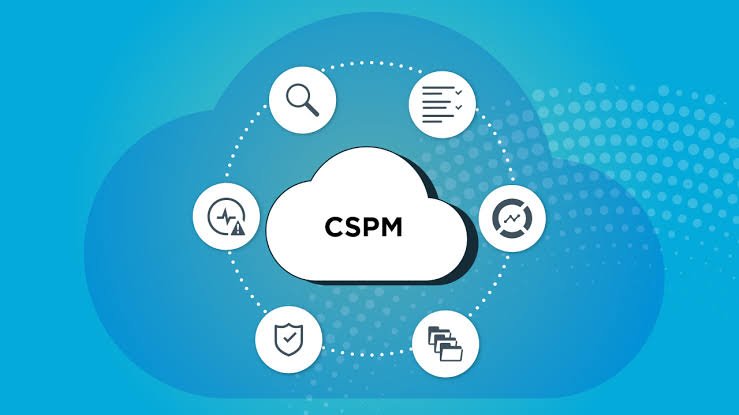
Cloud Security Posture Management (CSPM) continuously scans cloud environments to identify misconfigurations, compliance violations, and security risks across IaaS, PaaS, and sometimes SaaS setups. It provides real-time visibility into infrastructure, comparing configurations against benchmarks to prevent breaches caused by human error.
CSPM acts as a proactive "security cop" for dynamic clouds, automating remediation workflows and integrating with DevSecOps for faster threat response.
Why CSPM is Essential for Cloud Security
Misconfigurations cause most cloud breaches, leaving storage buckets exposed or ports open; CSPM catches these before exploitation. It centralizes monitoring in multi-cloud setups, reducing blind spots and ensuring alignment with standards like HIPAA, PCI-DSS, and CIS benchmarks.
Teams gain prioritized risk insights, cutting manual audits and breach costs while supporting compliance reporting.
Core Components of CSPM
- Discovery and Visibility: Maps all cloud assets, policies, and changes for a complete inventory.
- Misconfiguration Detection: Compares setups against best practices, flagging issues like unencrypted databases.
- Compliance Monitoring: Tracks adherence to regulations with automated reports and posture scoring.
- Automated Remediation: Applies fixes via workflows, such as closing public access.
These work agentless via APIs, minimizing performance impact.
Key Benefits of CSPM Tools
CSPM delivers scalability for hybrid/multi-cloud, real-time alerts on anomalies, and policy enforcement to stop drift. It optimizes costs by identifying over-provisioned resources alongside security gaps.
Organizations reduce mean time to remediate (MTTR), educate devs on secure practices, and achieve zero-trust alignment.
CSPM Best Practices
Integrate Early in CI/CD: Embed CSPM in DevOps pipelines for shift-left security.
Prioritize High-Risk Issues: Focus on critical misconfigs using risk scoring.
Combine with CNAPP: Pair CSPM with CWPP for full-stack protection, including workloads.
Enable Auto-Remediation: Set policies for low-risk fixes while alerting on complex ones.
Regular Policy Updates: Align with evolving benchmarks and conduct quarterly reviews.
Challenges and Solutions
Multi-cloud complexity causes silos to use unified platforms for cross-provider views. Alert fatigue? Leverage prioritization and dashboards.
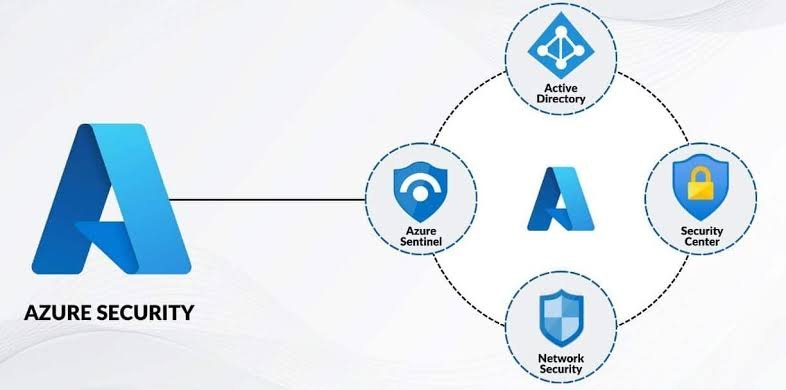
Implementation hurdles? Start with native tools like AWS GuardDuty or Azure Defender, then scale to third-party.
Future of CSPM
By 2026, CSPM will evolve into AI-powered CNAPPs with predictive risk modeling and autonomous fixes. Expect deeper zero-trust integration and quantum-safe compliance features as threats advance.